
Building a Small Container Pond for a Patio
Why a small pond is worth the space
You do not need a half-acre and a liner to bring water into your garden. A sturdy container on a patio or balcony will be found by wildlife astonishingly quickly. Within days, pond skaters and water boatmen can appear from nowhere — they fly, and they are searching for exactly this kind of habitat. Within a season you may have damselflies laying eggs, bees drinking at the damp gravel, blackbirds bathing, and a frog taking up residence under the rim.
In a country that has lost a large share of its ponds over the past century, countless small water features matter. A tiny pond is not a compromise; it is a genuine habitat. Still water, native plants and no fish is the whole recipe.
Choosing and preparing a container
Almost anything that holds water will do, provided it is stable, frost-resistant and deep enough. Aim for at least 60cm across and 30cm deep; 40cm or more is better, as frogs and newts can then overwinter in the bottom without freezing solid.
- Good options: a large glazed planter with no drainage holes, a food-grade plastic tub, an old butler sink, an enamel tin bath, a galvanised trough lined with butyl, or an oak half-barrel.
- Wooden barrels dry out, shrink and leak unless lined, so use a butyl offcut.
- Avoid narrow-necked pots, which are hard to plant, and anything already cracked, which frost will finish off.
- Check the weight. A 100-litre container holds 100kg of water before gravel, stones and plants, and can easily top 150kg. Set it on firm, level ground — paving slabs on a compacted base are ideal.
Scrub a new container with plain water, rinse it well, and position it empty, because it will not be moving again.
Siting it: light, shelter and safety
Partial shade is the sweet spot: roughly four to six hours of sun a day, with a break from the fiercest midday heat in high summer. Full sun overheats a small volume of water, drives algal blooms and lowers oxygen levels; deep shade gives weak plants and a great deal of fallen leaf.
- Keep it clear of overhanging trees and shrubs, which drop leaves and hide the water from insects.
- Avoid spots beneath a roof downpipe, where sudden surges wash out plants and nutrients.
- Place it near a hedge, log pile or long grass, so frogs and toads have damp cover to retreat to.
- Add an escape route. A ramp of stones, bricks or weathered timber lets hedgehogs, birds and amphibians climb out. Smooth-sided containers drown wildlife.
- If young children use the garden, choose a raised container or fit a rigid metal grid just below the surface, and never leave children unsupervised near water.
Filling and planting
Fill with rainwater from a water butt if possible. Tap water carries nutrients and chlorine that feed algae; if you must use it, let it stand for a day or two and expect a green phase.
Add a 2–3cm layer of washed pea gravel. It shelters invertebrates and steadies plant baskets. Plant into baskets of aquatic compost — deliberately low in nutrients, which keeps algae in check — and top each with gravel so it does not cloud the water.
Choose native plants, and aim for three types:
- Oxygenators: hornwort and water starwort thrive in small volumes and keep water clear.
- Floating plants: frogbit and lesser duckweed shade the water and shelter tadpoles and insects. Keep duckweed in check — it can cover the surface in weeks.
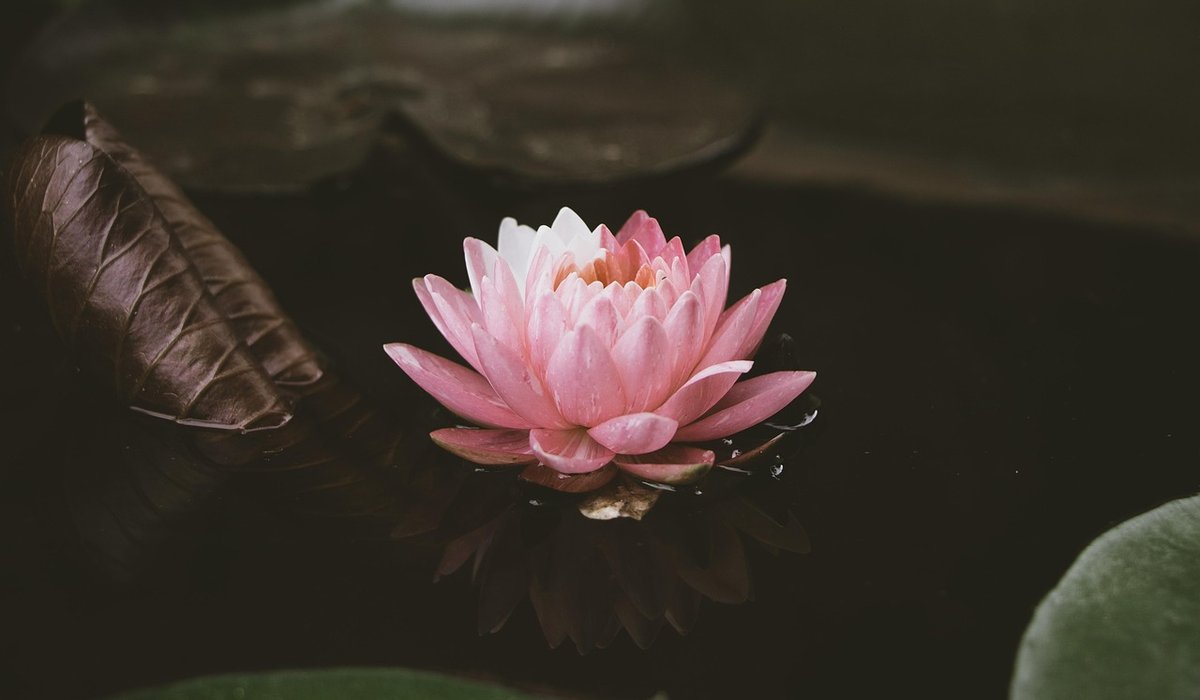
- Marginals and a miniature lily: marsh marigold, water mint, lesser spearwort, flowering rush and Iris laevigata behave well in containers. At 40cm deep, a pygmy water lily such as 'Pygmaea Helvola' will flower.
Cover about a third to a half of the surface with foliage by midsummer — that shade keeps the water clear. Never take plants from the wild, and avoid invasive non-natives such as floating pennywort and parrot's feather.
What will move in
Resist the urge to add fish, which eat larvae and tadpoles, and do not move frogspawn or plants in from another pond, as you risk spreading disease. Let your pond colonise itself.
Expect pond skaters and water boatmen first, then diving beetles, damselflies and dragonflies, hoverflies and bees drinking at the damp gravel, and birds bathing in the shallows. Frogs often arrive in the first year; newts take longer and need deeper water. A small stone pile or log stack beside the container gives them somewhere to hide.
Keeping it going through the year
Maintenance is minimal once plants are established.
- Spring: cut back growth left standing over winter, divide congested plants, and lift out blanketweed with a stick.
- Summer: top up with rainwater, thin duckweed if it covers more than half the surface, and leave everything else alone.
- Autumn: net out fallen leaves before they rot and feed the algae.
- Winter: never empty or clean out the pond — frogs, newts and countless insects overwinter in the mud. Leave dying stems for insects to shelter in. If the surface freezes, do not smash the ice, which can kill wildlife; float a ball to stop it sealing, or stand a pan of hot water on the surface to melt a hole. Wrap the container in hessian or bubble wrap during a hard frost.
That is the whole job. A small, still, plant-filled pond, topped up with rainwater and left largely alone, will quietly become the busiest corner of the garden.
tag: Ponds

Callum Reid Author
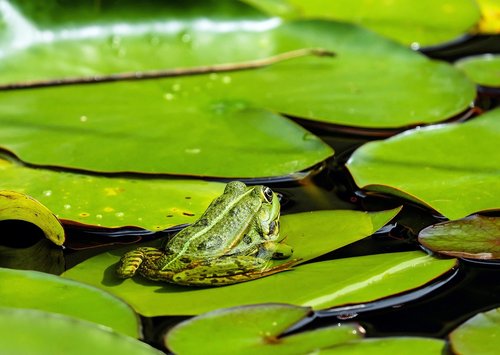
Dragonflies need still water, emergent plants for perching, and nearby shelter. Avoid fish and pesticides to make your pond a successful breeding site.
YOU MAY ALSO LIKE
How to Attract Dragonflies and Damselflies to Ponds
Aug 24
10Rainwater is free from chlorine and helps maintain natural pH. Collect it in a butt and add slowly to avoid disturbing pond life.
read more
Using Rainwater to Top Up Your Garden Pond
Aug 20
10Marginal plants like irises and rushes soften pond edges and filter nutrients. Plant them in baskets to control growth and make maintenance easier.
read morePonds
-

ERRIC CATONA
Newts favour ponds with plenty of submerged plants and no fish. Add rocks and log piles nearby for shelter, especially during breeding season.
May 19, 2016 at 5.12 pm
Reply
ERRIC CATONA
Test for pH, ammonia, nitrite, and nitrate regularly. Most pond life prefers a pH between six and eight, so adjust gradually if needed.
May 19, 2016 at 5.12 pm
Reply -
ERRIC CATONA
Hand-pulling, barley straw, and competitive planting can keep weeds in check. Avoid chemicals that harm frogs, newts, and beneficial insects.
May 19, 2016 at 5.12 pm
Reply
Wildlife
Your email address will not be published.