
The Benefits of Adding a Pond Waterfall to Your Garden
Why a Waterfall Transforms a Garden Pond
Still water can look lovely, but it does very little for the creatures living in it. Add a gentle cascade and the whole pond wakes up. Moving water pulls oxygen down through the depths and keeps everything from sitting lifeless in the summer heat. For a wildlife pond, that movement is not a gimmick — it is one of the simplest ways to keep the whole system healthy.
A waterfall also gives you something money struggles to buy: sound. A soft, steady trickle masks traffic and the general hum of a busy neighbourhood. It is the sort of noise that makes you linger on a bench with a mug of tea — and it draws wildlife in, too.
Better Water Quality, Without Chemicals
Stagnation is the enemy of a small pond. With no movement, oxygen levels drop and nutrients build up until you are fighting a blanket of algae every June. A waterfall changes that equation.
- Aeration — as water tumbles over stones it picks up oxygen, which fish, newts and tadpoles all need.
- Beneficial bacteria — these colonise the wet surfaces of the waterfall, the stones and the gravel, processing waste and rotting leaves into nitrates that plants then use as food.
- Less stagnation — steady circulation stops dead spots forming where debris collects and starts to smell.
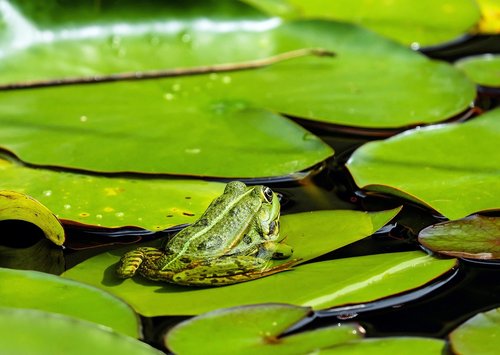
- Clearer water — healthier oxygen and bacterial levels mean less suspended algae, so you can actually see your frogs.
You do not need a thundering torrent. A trickle of a few hundred litres an hour is plenty for a small pond, and it will still do the job quietly and efficiently.
The Sound of Water and Your Wellbeing
There is a reason every garden designer reaches for a water feature. The sound of moving water is genuinely calming — it softens the noise of the world around you and gives your ears somewhere pleasant to rest. In a small urban garden, a waterfall can turn a noisy corner into somewhere you actually want to sit.
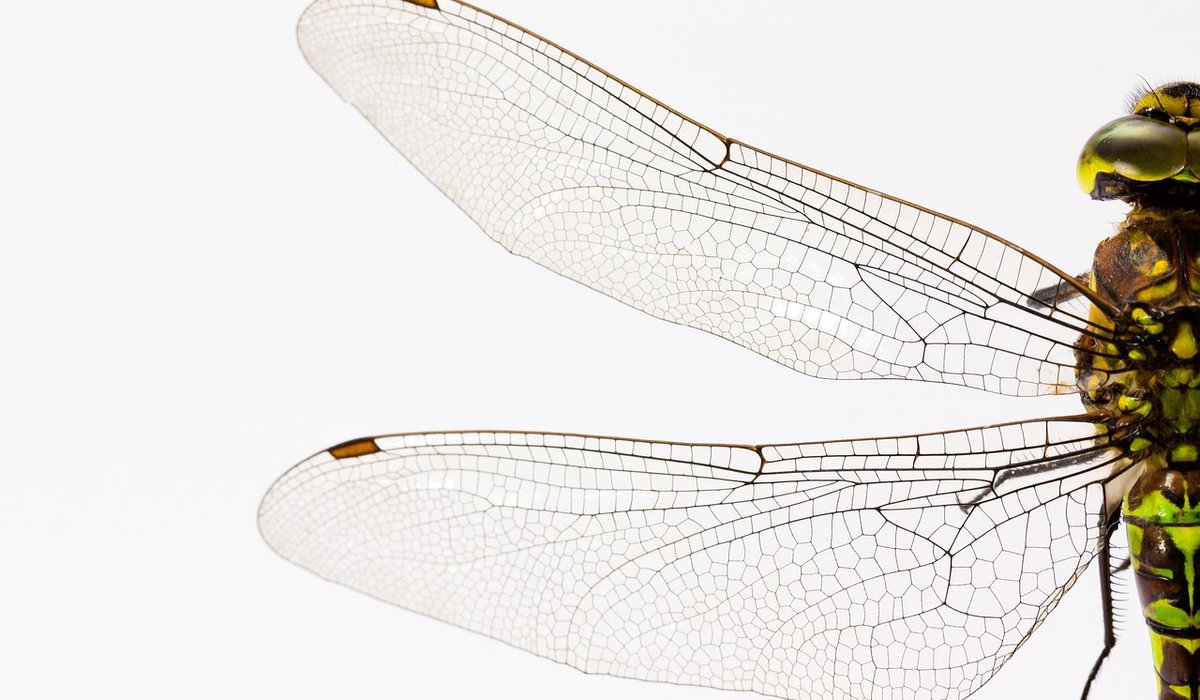
It helps wildlife too. Birds are drawn to the sound of running water, especially in dry spells — blackbirds, robins and blue tits will come to bathe at a shallow pebble shelf beside a cascade. Dragonflies and damselflies hunt over moving water, and the damp stones around a waterfall are perfect for mosses, ferns and the small invertebrates that feed everything else.
Choosing the Right Waterfall for a Small Space
Small gardens can still have a proper waterfall. The trick is matching the pump to the job rather than buying the biggest one you can find.
- Measure the head — the vertical lift from pump to outlet. A pump rated at 1,000 litres per hour at zero head may deliver only 400 litres at a metre of lift.
- Keep it modest — for a pond under 2 metres across, 300–800 litres per hour gives a convincing cascade without turning the water into a jacuzzi.
- Consider solar — a small solar pump is cheap to run and ideal where constant flow is not essential. It will slow on cloudy days, which is fine.
- Hide the mechanics — bury the pipe behind planting, disguise the pump under slate or stone, and let the water emerge from a gap in the rockery rather than a visible hose.
You can build a waterfall from almost anything: stacked slate, reclaimed brick, or a millstone with a hole drilled through it. The look matters less than the water's path — a slightly uneven channel sounds far nicer than a smooth chute.
Making It Safe for Frogs and Hedgehogs
A waterfall is a lovely addition, but it must not become a trap. Wildlife needs a way in and a way out.
- Build a shallow beach — a gently sloping shelf of pebbles at one end, no more than a few centimetres deep, gives frogs and birds easy access.
- Add a ramp — coir matting, a rough plank or a pile of stones angled into the water helps hedgehogs and voles climb out.
- Keep the edge low — avoid vertical liner walls above the waterline, which small animals cannot scale.
- Plant the margins — native water forget-me-not, marsh marigold and water mint soften the edges, give cover and shade the water in summer.
Position the cascade so it does not wash away your planting or erode the bank. A flat stone beneath the outflow catches the splash and stops the water digging a hole.
Keeping It Running Through the Year
A waterfall is low maintenance, but not no maintenance. A few small habits keep it working beautifully from March through to November and beyond.
- Check the pump monthly — rinse the sponge in a bucket of pond water and clear any leaves from the intake.
- Top up in dry spells — evaporation is faster with moving water. Use rainwater where you can, as tap water adds nutrients.
- Clear autumn leaves — a net over the pond in October saves a messy job in spring.
- Run it through winter if you can — a gentle flow keeps a patch of water ice-free, helping overwintering frogs. If you switch it off, drain the pipe to prevent frost damage.
- Watch for blanketweed — it loves moving water in strong sun. Barley straw or a handful of oxygenating plants usually keeps it in check.
Get these basics right and your waterfall will reward you for years: clearer water, happier wildlife, and the soothing sound of a stream running through your own garden.
tag: Design

Eleanor Finch Author
Lift baskets in spring, split tough root balls with a knife, and replant in fresh aquatic compost. This keeps plants healthy and prevents overcrowding.
YOU MAY ALSO LIKE
How to Divide and Replant Overgrown Pond Plants
Jul 12
10Keep a simple notebook of sightings, water clarity, and plant growth. Regular observations reveal patterns and help you manage your pond sensitively.
read more
Monitoring Pond Wildlife Throughout the Seasons
Jul 9
10Start by choosing a sunny spot away from trees, then dig varied depths and add a liner. Native plants and a gentle slope will soon attract wildlife.
read morePonds
-

ERRIC CATONA
British native pond plants like water forget-me-not and marsh marigold provide shelter for insects and help keep water clear throughout the year.
May 19, 2016 at 5.12 pm
Reply
ERRIC CATONA
Green water and blanket weed often signal excess nutrients. Reduce feeding, add shade plants, and use barley straw to restore balance naturally.
May 19, 2016 at 5.12 pm
Reply -
ERRIC CATONA
A bog garden uses the damp soil around your pond to grow moisture-loving plants. It extends habitat and looks beautiful without needing a filter.
May 19, 2016 at 5.12 pm
Reply
Wildlife
Your email address will not be published.