
Making a Hibernation Spot for Frogs Near Your Pond
Why Frogs and Toads Need a Winter Hideaway
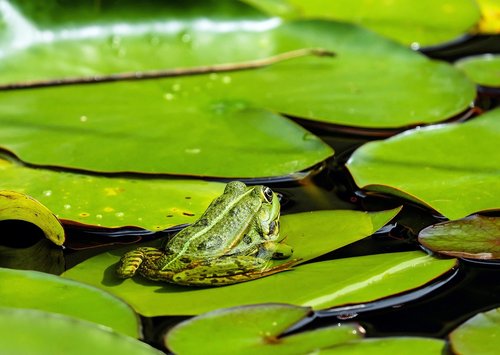
As the days shorten, your garden pond’s frogs and toads start thinking about survival. Unlike birds, they don’t migrate. Instead, they seek damp, sheltered spots to burrow below the frost line. Some frogs overwinter in pond mud, but in a small garden pond that’s risky: if the surface freezes solid, oxygen levels drop and frogs can suffocate. Toads almost always hibernate on land. So a dedicated hibernation spot beside your pond gives both species a much better chance of reaching spring.
You don’t need much space or specialist kit. A log pile, a leaf mound, or a cool compost heap can do the job beautifully. The key is to mimic the damp, insulated layers amphibians would find in woodland. Let’s look at how to build each one.
Choosing the Right Spot Near Your Pond
Location matters. Aim for a spot close to the pond but not in a frost pocket or flood zone. A south-facing bank or border edge is ideal – it gets some winter sun and drains well while staying damp. Avoid low-lying areas where cold air settles. Also think about disturbance: once winter sets in, you shouldn’t be digging or trampling the area. Place your refuge where you won’t need to tidy it until spring. Beside a shed, behind a shrub, or along a quiet fence line all work. If you have a cat, add a prickly barrier of holly or brambles nearby.
Building a Log Pile Hibernaculum
A log pile is the most effective option, providing layers, crevices, and decaying wood that stays damp and frost-free.
- Use a mix of logs. Gather hardwood logs of varying diameters – oak, ash, or fruitwood. Avoid treated timber. Leave the bark on.
- Stack loosely. Leave gaps of a few centimetres so frogs can squeeze in. Lay some logs horizontally and others at an angle.
- Add damp material. Tuck dead leaves, moss, and a little soil between the logs. This creates the humid microclimate amphibians need.
- Bury the base. Sink the bottom layer a few centimetres into soil. Pile leaf mould around the edges.
- Top it off. Finish with leaves or bracken to insulate the pile and hide it.
Place in partial shade – morning sun and afternoon shade is ideal. The pile will rot down, generating gentle warmth and supporting insects that frogs eat.
Making a Leaf Mound or Compost Heap Refuge
A leaf mound is quick and free. Pile fallen leaves in a corner beside the pond – at least 50 cm deep and a metre across. Use a mix of native leaves such as oak, birch, and hazel. Water if dry, then leave it alone. The centre stays damp and several degrees warmer than the air.
A compost heap can work, but avoid an active hot heap – frogs will shun it. Instead, create a cool pile: layer garden waste, leaves, and soil, but don’t turn it in winter. The outer edges and base are perfect hibernation spots. Check for frogs before turning in spring. Better still, keep a separate leaf mould bin that you never disturb between November and March.
Keeping the Hibernation Spot Frost-Free and Safe
The goal is a stable, damp, frost-free environment. A few practical touches will get it right.
- Insulate the top. A thick layer of leaves or straw acts like a duvet, trapping warmth and keeping frost out.
- Don’t let it dry out. Amphibians breathe through their skin. In a dry winter, gently water with rainwater if it feels crisp.
- Avoid chemicals. Never use slug pellets, weedkillers, or insecticides nearby. Frogs and toads are highly sensitive.
- Leave the mess. Resist tidying fallen leaves or dead stems in autumn – that mess is exactly what amphibians need.
- Add flat stone or slate. Placed at the base, it creates a cool, damp hideaway that stays frost-free.
If your pond freezes over, float a ball or piece of timber to keep a breathing hole open for any frogs overwintering in the water. But land-based hibernation is safer, so your new refuge is the best gift you can give them.
A Few Extra Touches for a Thriving Pond
Once your hibernation spot is in place, you’ve created a year-round habitat. Frogs and toads will use it as summer shelter and a hunting ground. To make your garden more welcoming, leave a wild corner with long grass and native plants, and avoid paving right up to the pond edge. A gentle beach of gravel gives amphibians an easy exit and entry point.
Come spring, you’ll be rewarded with frogs returning to spawn and toads making their slow way to breeding grounds. A little effort in autumn pays back tenfold in the chorus of croaks and the quiet satisfaction of helping these wonderful creatures survive the coldest months.
tag: Wildlife

Callum Reid Author
A waterfall adds gentle movement, improves aeration, and creates soothing sound. It also helps prevent stagnation and supports beneficial bacteria.
YOU MAY ALSO LIKE
The Benefits of Adding a Pond Waterfall to Your Garden
Jul 17
10Lift baskets in spring, split tough root balls with a knife, and replant in fresh aquatic compost. This keeps plants healthy and prevents overcrowding.
read more
How to Divide and Replant Overgrown Pond Plants
Jul 12
10Keep a simple notebook of sightings, water clarity, and plant growth. Regular observations reveal patterns and help you manage your pond sensitively.
read morePonds
-

ERRIC CATONA
Start by choosing a sunny spot away from trees, then dig varied depths and add a liner. Native plants and a gentle slope will soon attract wildlife.
May 19, 2016 at 5.12 pm
Reply
ERRIC CATONA
British native pond plants like water forget-me-not and marsh marigold provide shelter for insects and help keep water clear throughout the year.
May 19, 2016 at 5.12 pm
Reply -
ERRIC CATONA
Green water and blanket weed often signal excess nutrients. Reduce feeding, add shade plants, and use barley straw to restore balance naturally.
May 19, 2016 at 5.12 pm
Reply
Wildlife
Your email address will not be published.