
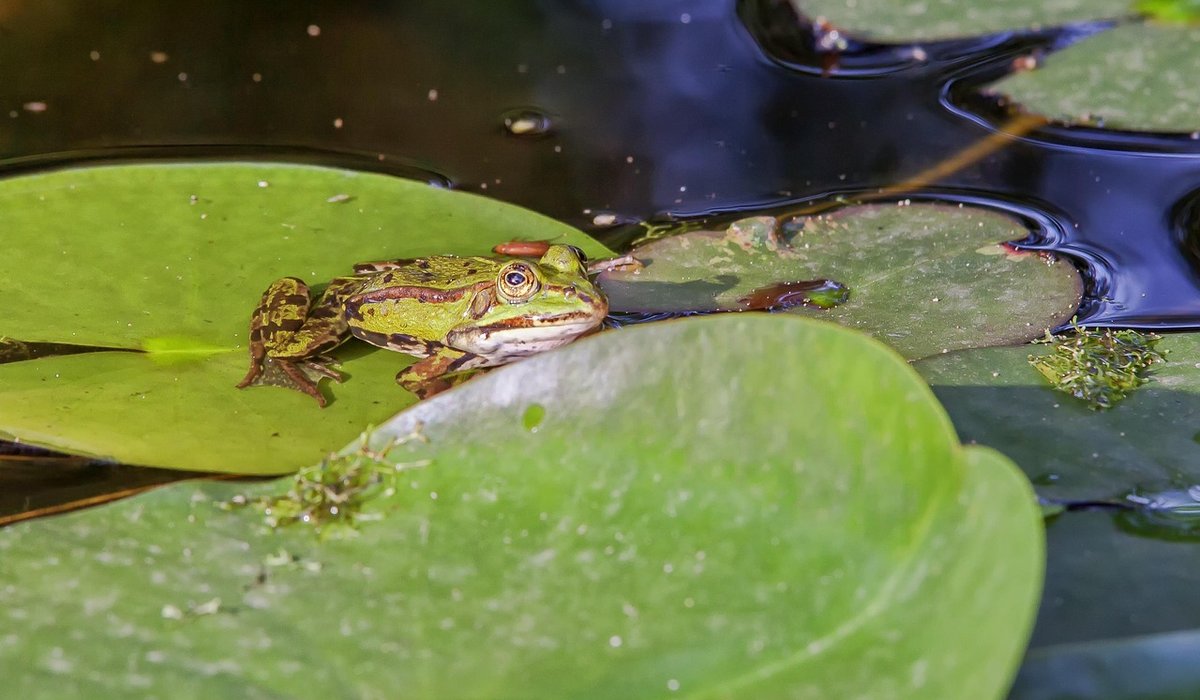
Solving Common Algae Problems in Garden Ponds
Why Algae Takes Over a Pond
Algae is rarely the real problem. It is a symptom of an imbalance, and the imbalance almost always comes down to two things: sunlight and dissolved nutrients. Phosphate and nitrate build up in pond water for all sorts of everyday reasons — fish food that is not eaten, rotting leaves and dead plant material, run-off from a fertilised lawn, too many fish, or simply topping up with tap water over a long summer.
In a brand new pond, there are plenty of nutrients floating about but very few plants to compete for them, so single-celled algae bloom and the water turns the colour of pea soup. Established ponds tend to go green after a specific event: overfeeding during warm weather, a sudden die-back of oxygenating plants, or autumn leaves left to sink. Once you understand the cause, the fix becomes clear. You are not trying to kill the algae. You are trying to starve it and shade it out.
Dealing with Green Water
If your pond is new, do not panic. A green phase in the first spring and summer is normal, and it usually clears within a few weeks as plants establish and the nutrient supply is used up. There is plenty you can do to speed it along.
- Stop feeding the fish for a fortnight, and only feed what they clear in a few minutes once you start again. Uneaten food is algae fertiliser.
- Remove decaying material with a net — leaves, dying foliage, surplus blanket weed.
- Add oxygenating plants such as hornwort or water starwort, which soak up nutrients directly from the water.
- Aim for 50 to 70 per cent surface cover in total, using water lilies, floating plants and marginal species. Shade is the single most effective natural control.
- Top up with rainwater from a butt rather than a hose. Tap water carries phosphate, so a large water change can actually make green water worse.
A partial change of around ten to twenty per cent with rainwater is fine. Ditching the whole pond and refilling it simply resets the cycle and hands the algae a fresh supply of nutrients.
Tackling Blanket Weed and String Algae
Filamentous algae, usually called blanket weed, behaves differently from green water. It starts as a fuzz on liner edges and shallow shelves, then grows into long strands that tangle around plants. It thrives in bright, shallow water with plenty of nutrients available.
The most reliable approach is physical removal, done little and often. Twirl a rough cane or stick through the strands to lift them out, or rake the margins, then take the weed well away from the pond. If you leave it on the bank, the nutrients leach straight back in. In shallow sunny areas, cover bare liner with pebbles, gravel and creeping marginal plants so there is nowhere for the strands to anchor.
It is worth knowing that blanket weed often flourishes where water is cool, hard and constantly moving, so adding more bubbles will not cure it. The underlying issues remain light and nutrients. Skip the chemical treatments. Most harm water quality, knock back the insects and tadpoles that graze on algae, and often trigger a collapse in oxygen levels when the dying weed decays.
Using Barley Straw Properly
Barley straw is a well-established, wildlife-safe option that works as a preventive rather than a cure. As the straw breaks down in oxygen-rich water, it releases compounds that inhibit new algae growth. It will not clear a heavy bloom quickly, so timing matters.
- Add it in early spring, before algae appears. It usually takes four to six weeks to become effective.
- Allow roughly 25 to 50 grams of loose straw per square metre of surface area, or one small bundle per 1,000 litres.
- Put it in a mesh bag with a stone, positioned so it floats just below the surface, where there is enough oxygen for it to decompose.
- Replace it after about four to six months, and buy straw sold for pond use rather than garden mulch, which may have been treated.
It is harmless to frogs, newts, fish and insects, and works best as part of a wider plan rather than on its own.
Planting and Wildlife for Long-Term Balance
Plants are your hardest-working algae control. Submerged oxygenators like hornwort and water crowfoot compete directly for nutrients, while marginal plants such as marsh marigold, water forget-me-not, iris and purple loosestrife shade the shallows and hide the liner. One or two water lilies will do more for water clarity than any bottle of treatment.
Do avoid invasive non-natives such as floating pennywort, parrot's feather and New Zealand pygmyweed. They spread rapidly and are illegal to plant in the wild. A wildlife-rich pond largely looks after itself: tadpoles graze on algae, newts and dragonfly larvae hunt in the weed, and water beetles and snails help keep things tidy. Keep fish numbers modest, or leave fish out altogether if wildlife is your priority, and never let lawn fertiliser or slug pellets drain into the water.
Seasonal Habits That Keep Water Clear
In spring, clear out leaves and debris, start the barley straw, and divide plants that have outgrown their baskets. Through summer, feed fish sparingly, remove blanket weed weekly, and thin floating plants so they do not die back and release nutrients. In autumn, net fallen leaves promptly and trim dead foliage, but leave a few hollow stems for overwintering insects. In winter, do as little as possible.
Above all, resist the urge to scrub a pond clean. A sterile pond will always go green, because you have removed the plants and microscopic life that keep it balanced. Give a pond a full season or two, keep nutrients low and shade high, and clear water tends to arrive on its own.
tag: Water Quality

Callum Reid Author
A bog garden uses the damp soil around your pond to grow moisture-loving plants. It extends habitat and looks beautiful without needing a filter.
YOU MAY ALSO LIKE
Creating a Bog Garden Beside Your Pond
Sep 19
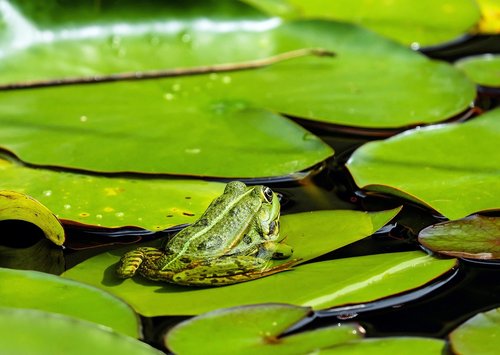
10Frogs and toads need shallow edges, dense planting, and safe hibernation spots. Avoid fish and keep a log pile nearby to help them thrive.
read more
Encouraging Frogs and Toads to Your Garden Pond
Sep 15
10Filters keep water clear, while pumps move water for waterfalls or fountains. Choose the right size for your pond volume and wildlife needs.
read morePonds
-

ERRIC CATONA
Remove fallen leaves, trim dying foliage, and stop feeding fish as temperatures drop. Leave some debris for wildlife to use over winter.
May 19, 2016 at 5.12 pm
Reply
ERRIC CATONA
Prevent ice from sealing the surface by floating a ball or using a heater. Keep a small opening for gases to escape and wildlife to breathe.
May 19, 2016 at 5.12 pm
Reply -
ERRIC CATONA
Clear debris, divide overgrown plants, and check pumps before warmer weather arrives. Test water quality and top up with rainwater if needed.
May 19, 2016 at 5.12 pm
Reply
Wildlife
Your email address will not be published.