
Monitoring Pond Wildlife Throughout the Seasons
Why keeping a pond notebook is worth the bother
A pond is never the same two weeks running. One April morning the water is gin-clear with a dozen frogs sitting shoulder to shoulder; by July it can be a green soup of blanketweed with barely a ripple in sight. Neither state is automatically a problem, but you will only know which way things are heading if you have something to compare against.
That is the whole point of a pond diary. It is not a scientific survey, and it does not need to be. A few lines jotted down after a wander round the garden build up into a picture of how your pond behaves across the year, and how it changes from one year to the next. Patterns emerge that you would otherwise miss — the week the damselflies always appear, the point in late summer when the duckweed takes hold, the fact that your water clears for a fortnight every May.
What to record, and how to keep it simple
A small notebook by the back door is ideal, or a note on your phone if you prefer. Aim to visit at least once a week, and always at roughly the same time of day so the comparisons are fair. Five minutes is enough. Note down:
- Date, time and weather, including whether it has rained recently. Heavy rain dilutes the water and can wash in nutrients from surrounding beds.
- Water clarity, described in plain terms: can you see the bottom in the shallows, or only a few centimetres down? A white saucer lowered on a string makes this surprisingly consistent.
- Water level and temperature. A cheap pond thermometer is more useful than you might think; small ponds swing several degrees in a day.
- Plant growth, especially the percentage of the surface covered by floating leaves, and whether oxygenators such as hornwort are thriving or sulking.
- Wildlife sightings, with numbers where you can. "Three smooth newts, one great diving beetle, first damselfly of the year" is a perfectly good entry.
If you want to go further, a basic test kit for pH and ammonia once a month will flag problems before they become visible. But do not let testing crowd out watching. Observations are the heart of it.
Spring: the pond wakes up
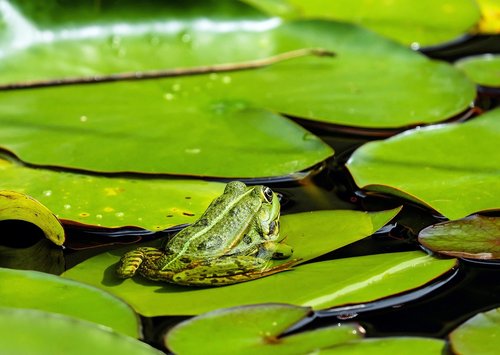
Spring is the busiest season for recording, and the easiest to get wrong by tidying too enthusiastically. Common frogs usually return to spawn between late February and early April, with clumps of spawn in the shallow, sunny corner. Count the clumps rather than the tadpoles — it is a far more reliable measure of how many breeding females you have.
Watch for smooth newts arriving as the water warms, often showing up a couple of weeks after the frogs. Look for males developing a wavy crest and a spotted belly. Blanketweed often surges in March and April as light levels rise faster than the oxygenators can grow; note when it appears and when it clears, because it usually sorts itself out by late May. If you do remove it, twirl it out on a stick and leave the heap on the pond edge overnight so any trapped creatures can crawl back in.
Summer: peak activity and peak risk
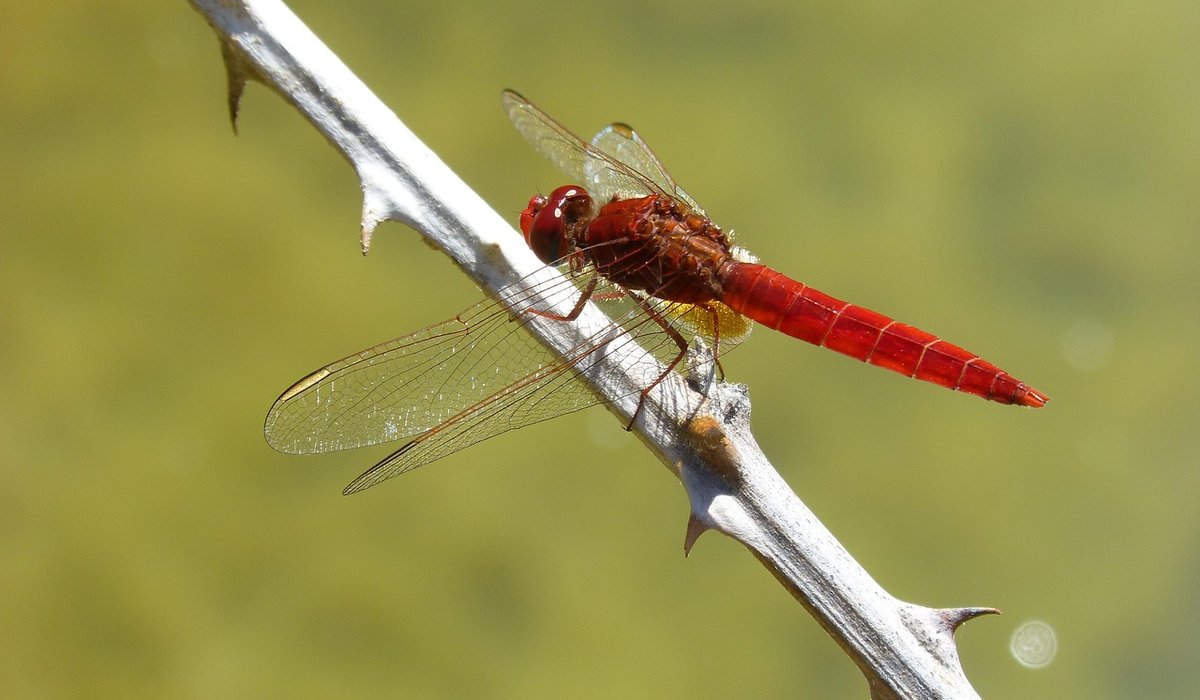
By June the pond is at full tilt. Damselflies and dragonflies emerge from the water, leaving tell-tale empty larval cases on stems and stones — record the first date you see one, as emergence times are a genuinely useful long-term record. Pond skaters, whirligig beetles, water boatmen and diving beetles are all active now, and bats will often hunt over the water at dusk.
Aim for somewhere between half and three-quarters of the surface shaded by plants by midsummer. Less than that and algae takes advantage; much more and the water stays cold and sluggish. In hot spells, top up with rainwater from a butt rather than tap water, which is nutrient-rich and can trigger an algal bloom. If the water turns green, note it, resist the urge to empty and refill, and check back in a fortnight — most green water clears on its own as plants get going.
Autumn: a gentle tidy, not a clear-out
Falling leaves are the main issue now, particularly if you have a pond near a birch or willow. A few leaves are valuable food for invertebrates, but a thick layer on the bottom will rot and deoxygenate the water over winter. Net out the excess while leaving some in place, and leave the netting draped over the edge for a day so anything caught can escape.
Cut back vigorous plants if they are crowding the water, but leave hollow stems standing — these are winter quarters for insects and larvae. Leave seed heads on marginal plants for the birds, and try to delay any major work until the frogs have settled into their overwintering spots. This is also a good moment to record how much silt has built up, and whether the pond has become shallower.
Winter: quiet checks and a little care
Activity slows, but the pond is far from dead. Frogs may sit in the mud at the bottom, newts shelter under stones, and dragonfly larvae are still hunting below the surface. Keep an eye on the water level, as a hard frost combined with a leaking liner can drop it sharply.
When ice forms, do not smash it — the shock waves can harm amphibians resting below. Instead, stand a pan of hot water on the surface until it melts a hole, or float a ball to keep an area open. Read back through your notebook on a cold afternoon. You will be surprised how much you have learned about your own patch of water, and how much better prepared you are for the spring.
tag: Seasonal

Eleanor Finch Author
Start by choosing a sunny spot away from trees, then dig varied depths and add a liner. Native plants and a gentle slope will soon attract wildlife.
YOU MAY ALSO LIKE
How to Build a Wildlife Pond in a Small Garden
Sep 26
10British native pond plants like water forget-me-not and marsh marigold provide shelter for insects and help keep water clear throughout the year.
read more
Choosing Native Plants for a Healthy Garden Pond
Sep 24
10Green water and blanket weed often signal excess nutrients. Reduce feeding, add shade plants, and use barley straw to restore balance naturally.
read morePonds
-

ERRIC CATONA
A bog garden uses the damp soil around your pond to grow moisture-loving plants. It extends habitat and looks beautiful without needing a filter.
May 19, 2016 at 5.12 pm
Reply
ERRIC CATONA
Frogs and toads need shallow edges, dense planting, and safe hibernation spots. Avoid fish and keep a log pile nearby to help them thrive.
May 19, 2016 at 5.12 pm
Reply -
ERRIC CATONA
Filters keep water clear, while pumps move water for waterfalls or fountains. Choose the right size for your pond volume and wildlife needs.
May 19, 2016 at 5.12 pm
Reply
Wildlife
Your email address will not be published.