
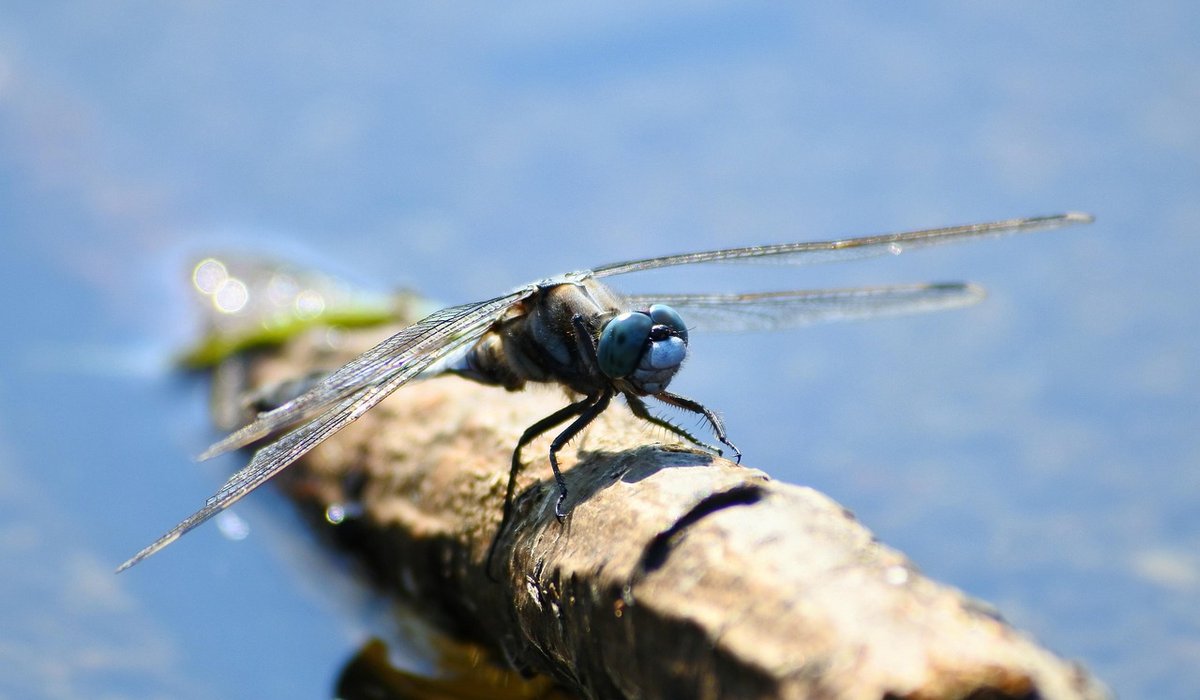
How to Divide and Replant Overgrown Pond Plants
Why Overgrown Pond Plants Need Dividing
A pond that has been left to its own devices for a few seasons will usually tell you when the plants are struggling. Marginal plants burst over the rims of their baskets, roots matted into a solid brick of fibre, and suddenly the water disappears beneath a blanket of leaves. It looks lush, but it is not healthy. When roots become this congested, the plant cannot take up nutrients properly, flowering slows, and the centre of the clump begins to die back while the edges keep expanding.
Dividing and replanting is the fix, and spring is the moment to do it. From late March through to May, pond plants are waking up but have not yet put on their summer growth, so they shrug off the disturbance and settle into fresh compost quickly. Water is warming, light levels are rising, and any small wounds on roots or rhizomes heal fast. Aim to divide established marginals every two to three years, and vigorous spreaders such as flag iris or water mint may need attention annually.
What You Will Need
Gather everything before you start, because once you are up to your elbows in wet baskets it is miserable to trek back to the shed. A tarpaulin or old sheet on the lawn keeps the mess contained and gives you a clean surface to work on.
- A sturdy serrated knife, an old bread knife, or a sharp spade for splitting root balls
- Sharp secateurs for trimming roots and dead foliage
- Fresh aquatic compost — a loam-based mix, not general-purpose potting compost, which is too light and washes out
- New aquatic baskets, or the originals cleaned up
- Hessian, jute matting, or fine mesh to line the baskets
- A bucket of pond water to keep divisions damp
- Gloves, and a towel for your hands
Line woven baskets with hessian if the mesh is wide, otherwise the compost will cloud your water as it leaches out. A layer of hessian over the top of the compost after planting holds everything in place until roots bind it together.
Lifting and Splitting the Root Ball
Work from the pond edge or from a plank laid across the water, and lift baskets out gently. If a basket is jammed, ease a spade down the side rather than tugging, which tears roots and disturbs the liner. Set the basket on your tarpaulin and look at the root mass before you commit to cutting.
For most marginals, the clump will be a dense ring of growth with a woody, exhausted centre. Knock the basket on its side, or cut the basket away if it has become brittle, and pull the root ball free. Then use your knife to cut straight down through the mass, aiming for sections roughly the size of your fist. You want each division to carry a healthy crown of shoots and a good tuft of roots. Discard the old, hollow centre onto the compost heap — it will not regrow.
- Flag iris and other rhizomatous plants: cut the rhizome into sections with at least one growing point and a fan of leaves, then shorten the leaves to about 15cm to reduce water loss
- Soft-stemmed plants: pull apart by hand where possible; the roots separate more cleanly than they cut
- Oxygenators: trim back long stems and split into generous handfuls, as small fragments struggle to establish
- Water lilies: saw the thick rhizome into sections with a visible growing tip, and plant with the crown just above the compost surface
Never let divisions dry out. Drop them straight into a bucket of pond water while you work through the rest of the clump.
Replanting in Fresh Aquatic Compost
Half-fill your lined basket with aquatic compost and firm it lightly. Position the division so the crown sits at roughly the same level it grew at before — buried crowns rot, exposed ones dry out. Fill around the roots, firm again with your fingers, and leave a 2cm gap below the rim so water does not slop compost over the edge. Top with a layer of hessian or a thin dressing of gravel to stop fish and birds from scattering the mix.
Return baskets to the shelf they came from, matching the planting depth to the plant's needs. Most marginals sit with 5–15cm of water over the crown, while deeper-water plants go lower. If you have divided a large clump into four or five pieces, replant two of the best and pass the rest to neighbours — pond gardeners are generous sorts, and it spreads good plants around.
Aftercare and a Healthier Pond
Expect a sulk rather than a celebration. Newly divided plants often look sulky for a fortnight, with a few yellowing leaves and slow growth, before they pick up. Do not feed them; the fresh compost carries enough nutrients, and extra food simply encourages algae. Keep an eye on water clarity, since disturbed sediment will settle within a day or two.
The rewards come by midsummer. Divided plants flower more freely, foliage looks stronger, and the open water you have reclaimed gives fish room to move and frogs somewhere to bask. Thinning also removes the hiding places where blanketweed and duckweed take hold, and it lets you check baskets for pests such as the larvae of the water lily beetle.
It is worth remembering that a wildlife pond should never be completely clear. Aim for around half to two-thirds of the surface covered by plants, with open water for drinking, bathing, and feeding. That balance supports damselflies, newts, and the small invertebrates that everything else depends on. A morning spent dividing baskets in spring buys you that balance for another few years.
tag: Plants

Callum Reid Author
Keep a simple notebook of sightings, water clarity, and plant growth. Regular observations reveal patterns and help you manage your pond sensitively.
YOU MAY ALSO LIKE
Monitoring Pond Wildlife Throughout the Seasons
Jul 9
10Start by choosing a sunny spot away from trees, then dig varied depths and add a liner. Native plants and a gentle slope will soon attract wildlife.
read more
How to Build a Wildlife Pond in a Small Garden
Sep 26
10British native pond plants like water forget-me-not and marsh marigold provide shelter for insects and help keep water clear throughout the year.
read morePonds
-

ERRIC CATONA
Green water and blanket weed often signal excess nutrients. Reduce feeding, add shade plants, and use barley straw to restore balance naturally.
May 19, 2016 at 5.12 pm
Reply
ERRIC CATONA
A bog garden uses the damp soil around your pond to grow moisture-loving plants. It extends habitat and looks beautiful without needing a filter.
May 19, 2016 at 5.12 pm
Reply -
ERRIC CATONA
Frogs and toads need shallow edges, dense planting, and safe hibernation spots. Avoid fish and keep a log pile nearby to help them thrive.
May 19, 2016 at 5.12 pm
Reply
Wildlife
Your email address will not be published.