
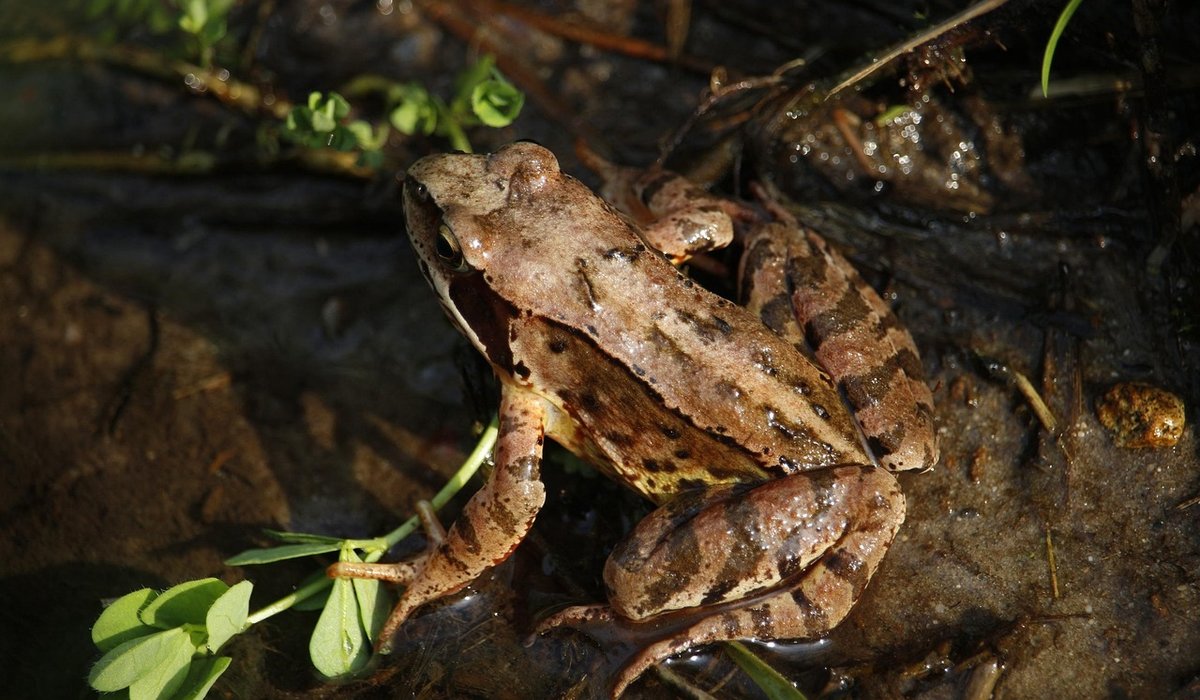
Creating a Bog Garden Beside Your Pond
Why a bog garden belongs beside your pond
A bog garden is the quiet overachiever of wildlife gardening. It takes the damp, forgotten ground at the edge of a pond and turns it into a lush, buzzing habitat — no filter, no pump, no complicated plumbing. Where a pond gives you open water for frogs, newts and diving beetles, a bog garden gives you saturated soil for insects, amphibians and moisture-loving plants that would sulk in a dry border.
It also solves a common pond problem: what to do with the spoil you dig out, and how to soften the hard line between water and lawn. A bog garden extends the habitat, hides the liner edge and gives you an excuse to grow plants that need constant moisture. Best of all, it is cheap to build and forgiving to look after.
Choosing the spot and shaping the bog
Most bog gardens work best on the sunny or partially shaded side of a pond, where the soil stays naturally damp. A little shade is welcome in hot summers, but too much deep shade will reduce flowering and leave the soil cold and stagnant. Avoid placing it under trees that drop heavy leaf litter, as the leaves will rot down and enrich the soil, which bog plants dislike.
- Size: Even a strip 60–90cm wide and 2–3m long supports a surprising range of plants.
- Depth: Dig 30–45cm deep. Deeper holds more moisture; shallower suits smaller, delicate plants.
- Water level: Aim for the finished soil surface to sit 5–10cm below the pond’s normal water level, so water can seep sideways without flooding the garden.
- Shape: Gentle curves look more natural than straight edges. Leave a shallow lip between pond and bog to stop soil washing into the water.
If your pond already has a liner, you can overlap the bog liner over it. If you are building both at once, run one continuous liner underneath, but form a shallow dividing lip so pond water stays in the pond and bog water stays in the bog.
Building the bog garden step by step
Mark out the shape with rope, sand or a garden hose. Remove turf and perennial weeds, then dig to your chosen depth. Keep the excavated topsoil if it is free of weed roots and stones; you will use it in the growing mix.
Line the hole with butyl pond liner, allowing enough overlap to reach the pond edge or to sit just above ground level. To create a stable water table, pierce two or three small holes about 10–15cm below the intended soil surface, on the side away from the pond. These act as a gentle overflow, keeping the bog consistently damp but never stagnant.
Fill with a low-nutrient mix: roughly two parts weed-free loam-based topsoil, one part peat-free compost and one part horticultural sand or grit. Firm it gently as you go, then water with rainwater until the whole area is evenly damp. Plant immediately, before the soil dries and crusts. Finish with a thin mulch of gravel or bark — gravel is better beside a pond because it reduces soil splash and gives insects a place to bask.
Best plants for a British bog garden
Choose a mix of native and garden-worthy plants that flower at different heights and times. Aim for low ground cover, mid-height flowers and tall vertical accents. Reliable choices include:
- Marsh marigold (Caltha palustris): golden cups in early spring, a lifeline for early bees.
- Purple loosestrife (Lythrum salicaria): tall magenta spires from midsummer, loved by butterflies and long-tongued bees.
- Yellow flag iris (Iris pseudacorus): bold sword-like leaves and yellow flowers; give it room, as it spreads.
- Water mint (Mentha aquatica): aromatic, low-growing and irresistible to bees and hoverflies.
- Ragged robin (Lychnis flos-cuculi): delicate pink tatters, perfect for a naturalistic edge.
- Cardinal flower (Lobelia cardinalis): fiery red spikes in late summer and autumn.
- Hemp agrimony (Eupatorium cannabinum): dusky pink heads in late summer, a magnet for butterflies.
- Royal fern (Osmunda regalis): architectural bronze croziers in spring; happy in shade.
- Sedges and rushes (Carex and Juncus species): evergreen structure and cover for amphibians.
- Candelabra primulas: whorls of colour in late spring; they love damp, humus-rich soil.
Plant in groups of three or five for impact, and leave a few gaps for self-seeding. Avoid invasive thugs such as Himalayan balsam and floating pennywort.
Keeping it damp and healthy year-round
The bog garden’s main job is to stay consistently wet, not stagnant. In dry spells, top up with rainwater from a butt. Tap water is better than nothing in an emergency, but it can be alkaline and may encourage algae; rainwater keeps the pH closer to neutral. Aim to keep the water table just below the soil surface — you should be able to squeeze a drop from a handful of soil, but not see standing water above it.
Maintenance is light:
- Cut back dead foliage in late winter or early spring, leaving some seedheads over winter for birds and insects.
- Divide crowded clumps every two to three years in spring; replant the vigorous outer pieces.
- Remove seedlings of thuggish plants before they take over.
- Never add fertiliser — bog plants are adapted to low-nutrient conditions, and rich soil encourages soft growth and algae.
- Check the overflow holes after heavy rain and clear them if they block.
If the bog dries out, the liner may have been pierced too low, or the edge may have been breached. If it turns sour and smelly, the holes are probably blocked and the water is stagnating; clear them and top up with fresh rainwater.
Wildlife, design and year-round interest
A bog garden is a wildlife corridor in miniature. Frogs and newts use the damp soil for shelter and hunting; dragonflies and damselflies perch on iris leaves; bees and butterflies work the flowers from spring to autumn. Leave a few flat stones or a piece of weathered log at the edge as basking spots. A shallow shingle beach between pond and bog gives amphibians an easy exit and looks natural.
For design, think of the bog as a bridge between water and garden. Let plants spill over the edge, but keep a small area of open water visible. Use height at the back — loosestrife, iris, hemp agrimony — and lower plants at the front — marsh marigold, water mint, ragged robin. In shade, ferns and primulas create a quiet, woodland feel. Add a few evergreen sedges for winter structure.
Because a bog garden needs no filter or pump, it is one of the cheapest and most rewarding wildlife features you can add. Start small, plant generously, and let the damp do the rest.
tag: Design

Eleanor Finch Author
Frogs and toads need shallow edges, dense planting, and safe hibernation spots. Avoid fish and keep a log pile nearby to help them thrive.
YOU MAY ALSO LIKE
Encouraging Frogs and Toads to Your Garden Pond
Sep 15
10Filters keep water clear, while pumps move water for waterfalls or fountains. Choose the right size for your pond volume and wildlife needs.
read more
A Simple Guide to Pond Filters and Pumps
Sep 12
10Remove fallen leaves, trim dying foliage, and stop feeding fish as temperatures drop. Leave some debris for wildlife to use over winter.
read morePonds
-

ERRIC CATONA
Prevent ice from sealing the surface by floating a ball or using a heater. Keep a small opening for gases to escape and wildlife to breathe.
May 19, 2016 at 5.12 pm
Reply
ERRIC CATONA
Clear debris, divide overgrown plants, and check pumps before warmer weather arrives. Test water quality and top up with rainwater if needed.
May 19, 2016 at 5.12 pm
Reply -
ERRIC CATONA
Shade your pond with plants or a pergola, top up water levels, and avoid drastic water changes. Oxygen levels drop in heat, so keep pumps running.
May 19, 2016 at 5.12 pm
Reply
Wildlife
Your email address will not be published.