
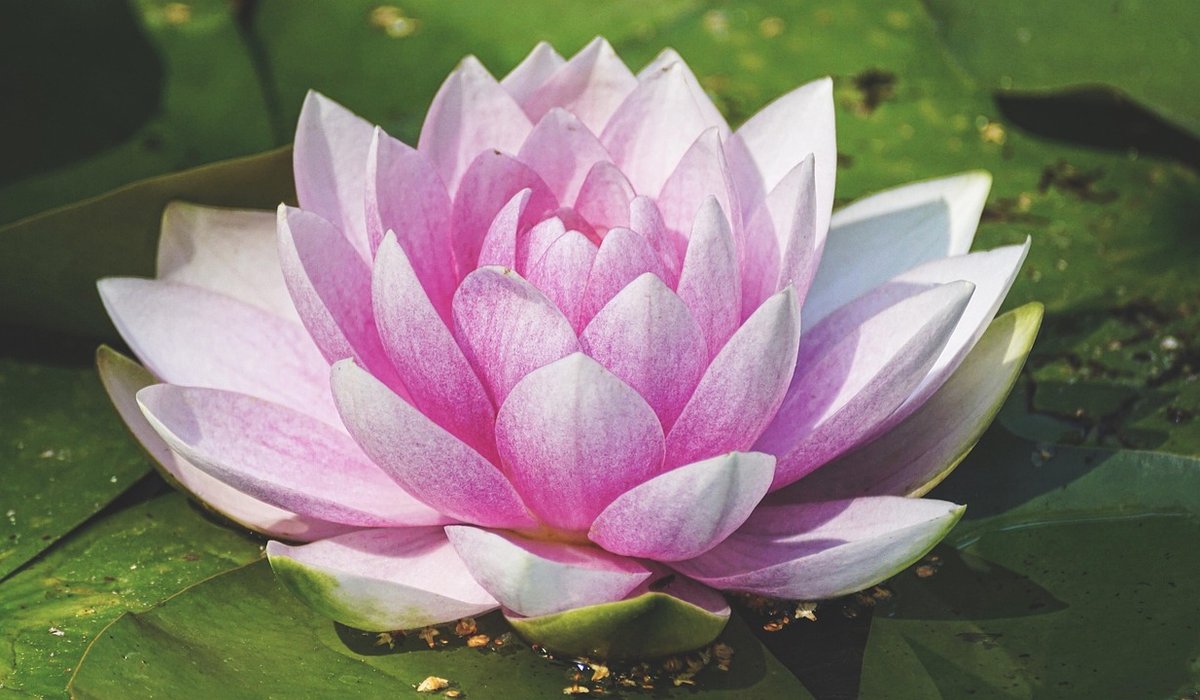
Planting Marginal Plants for Pond Edges
Why marginal plants matter at the water's edge
A bare pond edge — just liner and a strip of turf — looks unnatural and does very little for wildlife. Marginal plants, the ones that grow in shallow water and damp soil around the rim, solve both problems at once. Their roots and rhizomes take up dissolved nutrients that would otherwise feed algae, so the water tends to stay clearer. Their stems, leaves and tangled roots give cover for froglets, newts, dragonfly nymphs and the countless small invertebrates that everything else depends on. Their flowers and seed heads feed bees, hoverflies and birds right through the seasons.
There is a practical benefit, too. A well-planted margin masks the liner edge, hides that awkward join between water and land, and softens the whole thing so it looks as though it has always been there. Even a tiny feature — a half barrel, an old sink, a stone trough — benefits enormously from two or three baskets of marginal plants.
Choosing plants for your pond's edge
Marginals are usually divided by the depth of water they will tolerate, and it pays to match the plant to the shelf you actually have rather than the one you wish you had. As a rough guide:
- Bog or damp-soil plants (crowns above the waterline) — marsh marigold, water mint, purple loosestrife, most sedges.
- Shallow marginals (0–15cm) — yellow flag iris, flowering rush, lesser spearwort, brooklime.
- Deeper marginals (15–40cm) — soft rush, greater spearwort, pickerel weed in a warm spot.
Native species are the better choice for wildlife, but do check vigour before you commit. Yellow flag iris is glorious and its rhizomes are excellent habitat, yet it spreads enthusiastically and will happily march out of its basket into the surrounding soil. Purple loosestrife seeds itself freely. Both are manageable in a basket, but they are not plants to turn loose in a small pond. For a modest feature, look at dwarf cultivars of iris and rush, or stick with clump-forming species that stay put.
Baskets, compost and planting depth
Planting in baskets is the single best decision you can make for a garden pond. It contains the roots, stops vigorous species colonising the whole pond, keeps fish and birds from rooting out the plants, and means you can lift a plant for dividing without dredging the entire bottom.
Use proper aquatic compost — a loam-based, low-nutrient mix. Ordinary multi-purpose compost is far too rich and will leach nutrients into the water, feeding blanketweed for months. Choose baskets with a fairly fine mesh (around 1cm or less) so the compost stays in; larger holes can be lined with hessian or a piece of old net curtain. A basket that is slightly wider than it is deep gives rhizomatous plants room to run without tipping.
Set the crown level with the compost surface — burying it invites rot — then top the basket with a 2–3cm layer of washed gravel or pea shingle. This stops the compost floating away and discourages blackbirds from flicking it into the water. Aim for the finished basket to sit with the crown roughly at the water surface for bog plants, and submerged by the depth the species prefers for true marginals.
Planting up and the first season
Late spring and early summer are ideal, when the water has warmed and plants can establish before winter. Stand each basket in a bucket of pond water for an hour or so before planting so the compost is thoroughly soaked, then lower it gently into place and firm it down into the shelf or onto a supporting brick if your pond has no shallow ledge.
Do not feed marginals. The whole point of their role in a wildlife pond is that they grow slowly and take up whatever nutrients the water provides. In the first year, keep an eye on water levels in dry spells — newly planted baskets can dry out surprisingly fast on a sunny shelf, especially in a container pond. Tall irises and rushes may need a year to shrug off the move; leave dead foliage in place over winter, as it shelters overwintering invertebrates.
Keeping growth in check
Every two or three years, lift the baskets in early spring and divide the contents with a sharp knife or a couple of forks back to back. Replant a healthy chunk with fresh compost and pass on the rest to a neighbour. This restores vigour, prevents the pond silting up with root mass, and keeps vigourous species honest.
Cut back faded flower stems in autumn if you want a tidy look, but consider leaving some seed heads standing for the birds — reed buntings, goldfinches and tits will all make use of them. Remove any yellowing or collapsing foliage promptly so it does not rot into the water and add to the nutrient load.
Small water features count too
You do not need a large pond to do this properly. A half barrel, a glazed pot with no drainage hole, or a buried butler sink will hold two or three small baskets of soft rush, a dwarf iris and a marsh marigold, and it will draw in damselflies, hoverflies and the occasional frog within a season. Site it in part sun, keep it topped up with rainwater rather than tap water where you can, and give it a stone or a piece of log at the edge so anything that falls in can climb out. Small, well-planted and carefully tended, it will do a surprising amount of good.
tag: Plants

Eleanor Finch Author
Newts favour ponds with plenty of submerged plants and no fish. Add rocks and log piles nearby for shelter, especially during breeding season.
YOU MAY ALSO LIKE
Creating a Pond for Newts and Other Amphibians
Aug 13
10Test for pH, ammonia, nitrite, and nitrate regularly. Most pond life prefers a pH between six and eight, so adjust gradually if needed.
read more
Understanding Pond Water Testing and pH Levels
Aug 11
10Hand-pulling, barley straw, and competitive planting can keep weeds in check. Avoid chemicals that harm frogs, newts, and beneficial insects.
read morePonds
-

ERRIC CATONA
A shallow pebble beach lets birds and mammals drink safely and gives amphibians an easy exit. Grade the slope gently for access.
May 19, 2016 at 5.12 pm
Reply
ERRIC CATONA
Flexible rubber liners suit irregular shapes, while preformed shells are quicker to install. Consider lifespan, UV resistance, and local soil conditions.
May 19, 2016 at 5.12 pm
Reply -
ERRIC CATONA
Fish eat frogspawn and insect larvae, so they reduce wildlife value. If you keep them, provide deep water, shaded areas, and careful feeding.
May 19, 2016 at 5.12 pm
Reply
Wildlife
Your email address will not be published.