
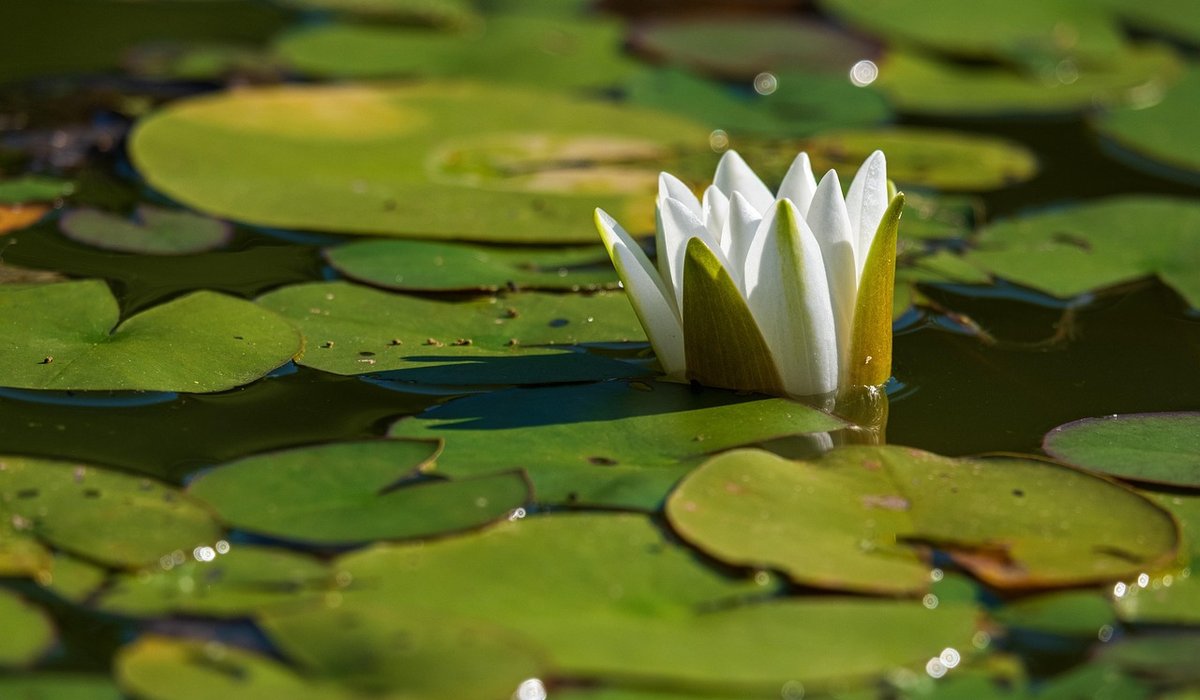
How to Attract Dragonflies and Damselflies to Ponds
A garden pond is one of the most generous gifts you can give to British wildlife, and few creatures reward you quite as dramatically as dragonflies and damselflies. These jewel-coloured insects are not just beautiful visitors. They are voracious predators of midges, mosquitoes and small flies, and their presence tells you something important: your water is clean, your planting is varied, and your garden is working as a habitat rather than just a display.
Why Dragonflies Choose Some Ponds and Not Others
A pond does not need to be large. A well-designed pool of two or three square metres will attract several species. What matters is a combination of qualities that dragonflies have been seeking for millions of years: still water, warmth, plenty of vegetation and an absence of fish.
Dragonflies and damselflies spend the first part of their lives underwater, as larvae, and they can stay there for one to three years depending on the species. During that time they must hunt, grow and moult repeatedly. Later, they must climb out of the water to emerge as adults. Every stage of that life cycle places demands on your pond, so it pays to think about all of them.
Still Water, Warm Water and Plenty of Sun
Moving water is a problem. Half the energy of a fountain, waterfall or splashing pump is wasted on dragonflies, because many species will simply avoid it. Their larvae prefer still conditions, and splashing disrupts the quiet, sunlit shallows they depend on. If you already run a pump to keep the water clear, keep the outlet low and gentle, or move it to one end and leave the other three-quarters still.
Position is just as important as layout. Aim for at least four to six hours of direct sun on the water surface, particularly on the southern side. Warm shallow margins heat up quickly in spring, which is exactly where larvae like to hunt, and where adults like to bask in early morning sun. A shallow shelf, perhaps ten to twenty centimetres deep, is far more valuable than a steep tank-like profile.
If you are topping up in summer, use rainwater from a butt where you can. Tap water carries nutrients and chemicals that encourage algae, and algae-fuelled green water shades out the very shallows your larvae need.
Fish Are the Problem You May Not Have Considered
This is the single most common reason a pond fails to produce dragonflies. Even small goldfish, and certainly large koi, will hoover up larvae relentlessly. A pond full of fish is a pond without dragonflies, however pretty it looks.
If you want both, keep them in strict separation, or dedicate a small fish-free pool to wildlife. Likewise, please let the fish pellets and the anti-algae treatments go. Ponds stocked with fish and dosed with chemicals support far fewer species across the board. Pesticides are even more damaging: garden sprays drift readily, and insecticide residues in the water will kill larvae and the midges they feed on. Leave a generous unsprayed buffer between the pond and the rest of the garden.
Emergent Plants: The Launchpad for New Adults
When a larva is ready to emerge, it must crawl out of the water and climb above the surface, where it splits its skin and unfurls its wings to dry. Without suitable stems, that whole process fails. This is what may be missing from an otherwise perfect pond.
Plant in generous clumps around the margins:
- Yellow flag iris and soft rush for tall, sturdy vertical stems.
- Water mint, marsh marigold and purple loosestrife for nectar and structure in the shallows.
- Sedges and tufted grasses for finer perching points that damselflies especially love.
- Oxygenators such as hornwort, which shelter larvae and compete with algae without being invasive.
Check that anything you introduce is native or at least non-invasive. Floating pennywort and water fern spread alarmingly and will smother a small pond within a season.
Shelter, Perches and Hunting Ground
Adults spend a lot of their day perched, waiting for prey and warming up, so a bare pond in a bare lawn is a hard sell. Surround your water with a mix of low shrubs, tall grasses and a strip of rough, long grass or wildflower meadow. This gives hunting space for species that patrol over vegetation and cover from wind, which dragonflies dislike intensely.
Add a few flat stones and a log or two at the water's edge, angled so they catch the sun. Dragonflies and damselflies will happily bask on these, and they make a perfect spot for you to sit and watch. Avoid netting over the pond, and resist the urge to tidy every leaf away in autumn. Some leaf litter is habitat; just scoop out the excess to avoid nutrient build-up.
What Success Looks Like Over the Seasons
Give a new pond a year to settle. Come the following summer, look for damselflies first, often delicate blue or emerald species, hovering low over the water or resting on lily pads. Larger dragonflies arrive to patrol, and you may see tandem pairs and egg-laying females dipping their tails into the water or into soft plant stems.
The real proof comes later: the empty larval skins, called exuviae, clinging to iris stems and rushes at dawn, usually in early summer. If you find those, your pond is not just attracting dragonflies. It is making them. That is the mark of a genuinely wildlife-friendly pond, and it is worth every bit of the patience it takes to get there.
tag: Wildlife

Eleanor Finch Author
Rainwater is free from chlorine and helps maintain natural pH. Collect it in a butt and add slowly to avoid disturbing pond life.
YOU MAY ALSO LIKE
Using Rainwater to Top Up Your Garden Pond
Aug 20
10Marginal plants like irises and rushes soften pond edges and filter nutrients. Plant them in baskets to control growth and make maintenance easier.
read more
Planting Marginal Plants for Pond Edges
Aug 16
10Newts favour ponds with plenty of submerged plants and no fish. Add rocks and log piles nearby for shelter, especially during breeding season.
read morePonds
-

ERRIC CATONA
Test for pH, ammonia, nitrite, and nitrate regularly. Most pond life prefers a pH between six and eight, so adjust gradually if needed.
May 19, 2016 at 5.12 pm
Reply
ERRIC CATONA
Hand-pulling, barley straw, and competitive planting can keep weeds in check. Avoid chemicals that harm frogs, newts, and beneficial insects.
May 19, 2016 at 5.12 pm
Reply -
ERRIC CATONA
A shallow pebble beach lets birds and mammals drink safely and gives amphibians an easy exit. Grade the slope gently for access.
May 19, 2016 at 5.12 pm
Reply
Wildlife
Your email address will not be published.