
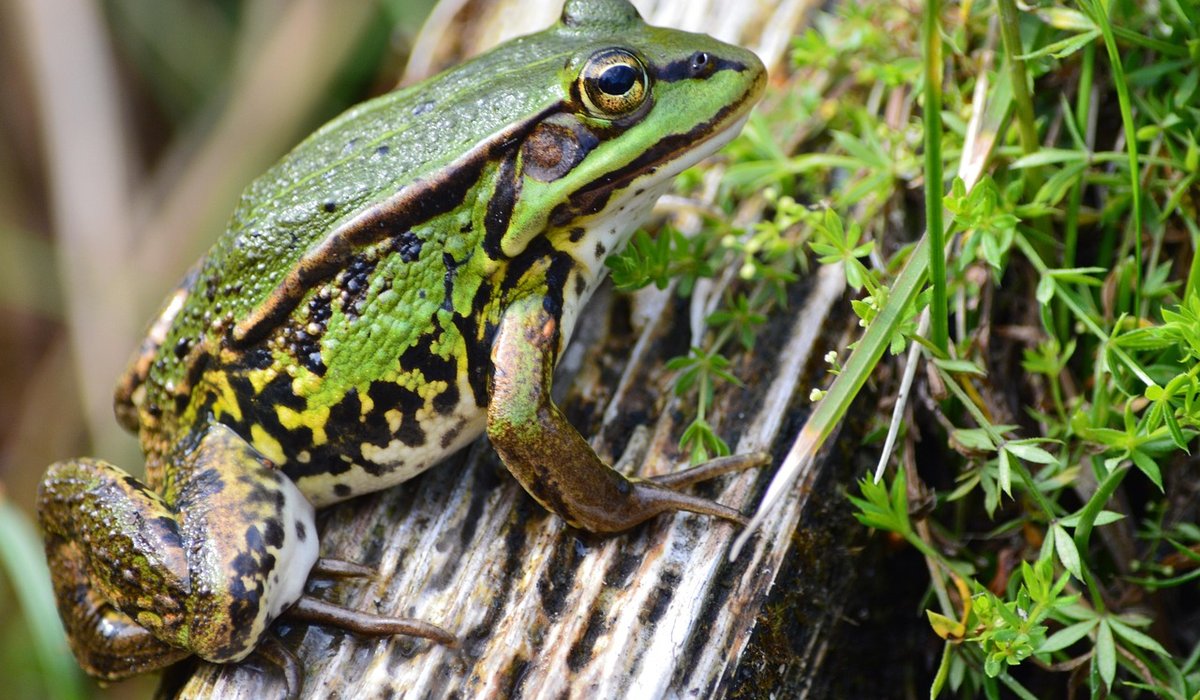
Choosing Native Plants for a Healthy Garden Pond
Why Native Plants Make the Difference
A well-planted pond is a living thing rather than a bucket of water, and the plants you choose do most of the work. Native British species have had thousands of years to evolve alongside our invertebrates, amphibians and birds, so they are recognised as food, shelter and egg-laying sites from the moment they go in. A clump of water forget-me-not will be draped in emerging damselflies, while a clump of an exotic look-alike often sits there untouched.
Natives also tend to suit our climate without mollycoddling. They grow strongly enough to out-compete algae for nutrients, but they do not need feeding, frost protection or winter lifting. Buy them from a reputable aquatic nursery rather than taking cuttings from the wild, which is illegal on most sites and risks importing disease.
One important warning: a handful of once-popular plants are now banned from sale or from being planted in the wild, including floating pennywort, water fern and water soldier. If a plant is described as "vigorous" or "spreads freely", treat it with suspicion.
Getting to Know the Planting Zones
Think of a small pond as three or four distinct habitats stacked from the middle outwards, and plant each one.
- Submerged oxygenators — hornwort, water starwort and common water crowfoot grow entirely under the surface, absorbing nutrients straight from the water and releasing oxygen during daylight hours.
- Marginals or shelf plants — planted in baskets sitting at 0–15cm depth, these are the workhorses of a wildlife pond.
- Floating plants — native frogbit has small white flowers and provides shade and cover without the thuggery of duckweed.
- Bog and edge plants — meadowsweet, ragged robin and purple loosestrife around a damp margin give emerging insects somewhere to climb out and dry their wings.
If your pond has no shelves, stack a few flat stones to create them. You are aiming for at least half of the surface open and at least a third shaded by foliage by midsummer.
Reliable Natives Worth Planting
These six earn their space in almost any British garden pond.
- Water forget-me-not (Myosotis scorpioides) — spreading mats of sky-blue flowers from May to September. Superb for bees and hoverflies, and excellent cover for tadpoles and newt larvae.
- Marsh marigold (Caltha palustris) — the great golden buttercup of early spring. Flowers as early as March, giving pollinators their first real meal of the year. Plant at the water's edge, never fully submerged.
- Water mint (Mentha aquatica) — aromatic, tough and a magnet for bees and butterflies. Keep it in a basket, as it runs.
- Brooklime (Veronica beccabunga) — low, glossy and evergreen-ish, with tiny blue flowers. Perfect for softening the pond edge and hiding the rim of a liner.
- Flowering rush (Butomus umbellatus) — an upright architectural native with pink umbels in summer. Ideal for the centre of a small pond at 10–20cm depth.
- Ragged robin (Lychnis flos-cuculi) — for the damp soil just outside the water; it flowers best in sun and looks wonderful against purple loosestrife.
Choose three or four rather than all six if your pond is under two metres across.
Planting Without Wrecking Water Quality
The commonest mistake is using the wrong compost. Garden soil and multipurpose compost are far too rich and will leach nutrients that feed blanket weed for months. Use a purpose-made aquatic compost, which is low in nutrients and heavy enough to stay put.
Plant into mesh baskets of 25–30cm across for marginals, line them with hessian if the mesh is wide, and firm the compost gently. Crowns should sit just above compost level. Top each basket with a layer of washed gravel to stop birds and amphibians kicking soil into the water — and remember roots need to escape the mesh, so never double-line the whole basket in plastic.
Mid-spring to early summer is the ideal window, when water is warming but the plants still have months to establish. Avoid planting in the heat of July or in the depths of winter. Finally, fill the pond with rainwater wherever possible; tap water brings in phosphates and a dose of chlorine.
Keeping the Water Clear All Year
Clear water is a symptom of balance rather than something you dose into submission. Natives do the heavy lifting by mopping up nutrients, while shading from surface foliage starves algae of light.
- Aim for 30–50% surface coverage by midsummer.
- Never feed pond plants — a starved pond stays clear.
- Avoid fish in a small wildlife pond; their waste feeds algae and they eat the larvae you planted the pond for.
- Add a barley straw bundle in spring as a gentle algal suppressant.
- Scoop out fallen leaves and dying foliage in autumn before they rot down.
A Simple Seasonal Rhythm
Spring is for tidying and planting: cut back old growth, divide overcrowded baskets, and top up with rainwater. Through summer, thin oxygenators by hand if they fill the whole water column, and leave seed heads standing. In autumn, remove dead foliage and net-free leaves with a rake rather than a net over the pond, which traps amphibians. Winter is mostly about restraint — leave stems standing for overwintering insects, keep the pond topped up, and break the ice by resting a pan of hot water on the surface rather than smashing it, which sends damaging shock waves through the water.
Do that, and a modest two-metre pond planted with natives will reward you with frogs, newts, dragonflies and a water surface you can see right through to the bottom.
tag: Plants

Priya Patel Author
Green water and blanket weed often signal excess nutrients. Reduce feeding, add shade plants, and use barley straw to restore balance naturally.
YOU MAY ALSO LIKE
Solving Common Algae Problems in Garden Ponds
Sep 22
10A bog garden uses the damp soil around your pond to grow moisture-loving plants. It extends habitat and looks beautiful without needing a filter.
read more
Creating a Bog Garden Beside Your Pond
Sep 19
10Frogs and toads need shallow edges, dense planting, and safe hibernation spots. Avoid fish and keep a log pile nearby to help them thrive.
read morePonds
-

ERRIC CATONA
Filters keep water clear, while pumps move water for waterfalls or fountains. Choose the right size for your pond volume and wildlife needs.
May 19, 2016 at 5.12 pm
Reply
ERRIC CATONA
Remove fallen leaves, trim dying foliage, and stop feeding fish as temperatures drop. Leave some debris for wildlife to use over winter.
May 19, 2016 at 5.12 pm
Reply -
ERRIC CATONA
Prevent ice from sealing the surface by floating a ball or using a heater. Keep a small opening for gases to escape and wildlife to breathe.
May 19, 2016 at 5.12 pm
Reply
Wildlife
Your email address will not be published.