
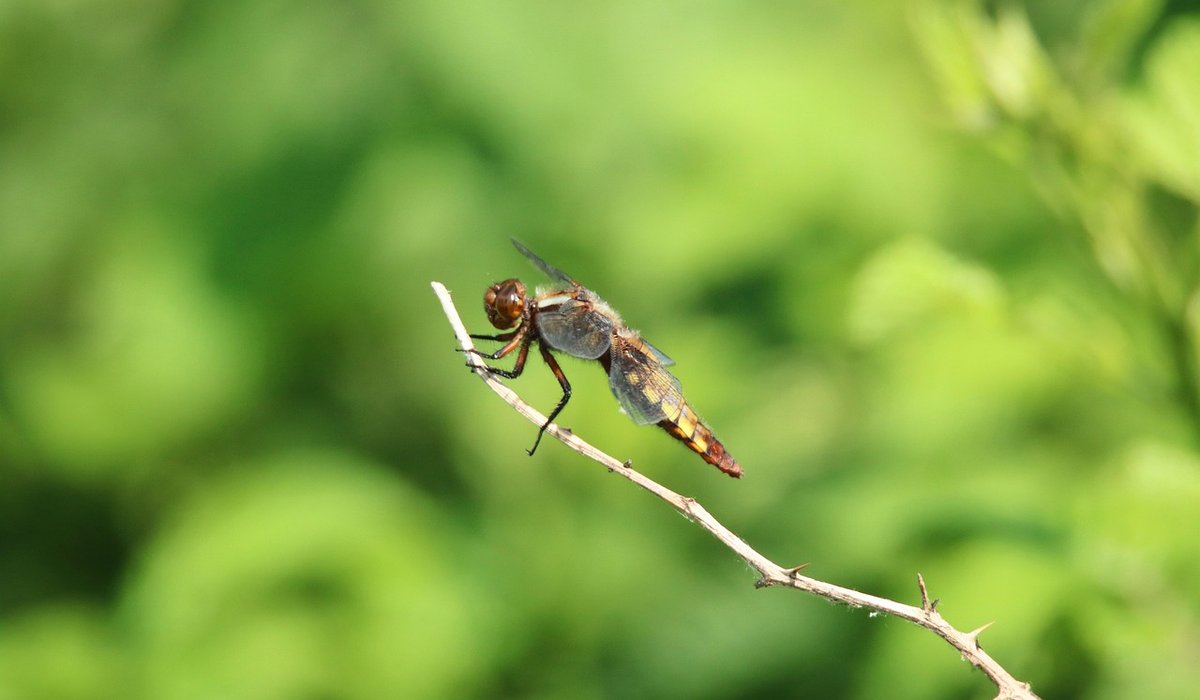
Winterising Your Garden Pond to Protect Wildlife
Why Winter Is Harder on Pond Life Than It Looks
As frosts arrive, a garden pond appears to fall silent. Under the surface, though, things are still happening. Frogs and newts settle into the silt, adult dragonfly larvae burrow into the mud, and any fish present slow almost to a standstill. All of them are relying on water that holds enough dissolved oxygen to carry them through until spring.
The trouble is that decomposition carries on regardless of temperature. Leaves, algae and dead plant matter continue to rot on the bottom, giving off methane and hydrogen sulphide. In open water those gases simply escape. Once a lid of ice seals the surface, they are trapped, and oxygen cannot be replaced from the air. A pond that freezes solid for a fortnight can quietly suffocate the very wildlife you built it for.
The good news is that a handful of simple measures — most of them taking minutes — will keep your pond a safe winter refuge.
Never Let the Surface Seal
The single most important job is to keep a small opening in the ice. It does not need to be large: something the size of a saucer is enough to let gases out and let air-breathing creatures reach the surface.
- Float a ball. A tennis ball, a purpose-made pond float, or even a clean plastic ball will do. It bobs in the slightest breeze, and because it moves, ice struggles to form a solid sheet around it. Where the ball sits, a hole stays open — or is easy to reopen with a gentle push.
- Use a low-wattage pond heater or de-icer. These typically run at 50–100 watts, cost pennies to run and are thermostatically controlled, so they switch on only when needed. Place one near the surface, not on the bottom.
- Run an air pump with airstone placed shallowly. Positioning the stone just below the surface keeps water moving where it matters. Don't site it in the deepest part of the pond — that stirs up cold water and disturbs amphibians resting in the mud.
If you already have a hole and a hard frost is forecast, check it first thing in the morning. Oxygen levels are at their lowest just before dawn, and that is when a sealed pond does the most damage.
How to Open Ice Safely
If the surface has closed over, resist the urge to attack it. Never smash the ice with a hammer, spade or boot. The shock waves travel through the water and can stun or kill fish and hibernating amphibians, and the shards can damage pond liners.
A gentler approach works just as well. Sit a pan of hot water on the ice and let it melt a hole through slowly, or rest a floating container of warm water on the surface. Once you have an opening, drop in a ball to keep it from sealing again. Never tip boiling water straight into the pond — the sudden temperature change is a shock to everything living in it.
Give Amphibians and Birds a Helping Hand
Common frogs often overwinter in the pond itself, nestled in the silt, while newts usually head for land and hibernate under logs, compost heaps and piles of leaves. Leave those wild corners undisturbed until spring.
Marginal plants are best left standing through winter rather than cut down in autumn. Their hollow stems and seed heads shelter overwintering insects and give frogs and emerging invertebrates a ladder out of the water. Tidy them in March instead.
Birds also depend on your pond when every other source is frozen. Keep one shallow, gently sloping edge free of ice if you can — a ball floated in the shallows does the job — and birds will visit to drink and bathe. A few twigs or a stone left at the edge gives them a safe footing.
Autumn Jobs That Pay Off in January
- Net out fallen leaves before they sink. A build-up on the bottom is the main cause of winter oxygen crashes. Leave a few, but not a carpet.
- Sweep snow from part of the ice. Submerged oxygenating plants still photosynthesise in weak winter light, and a clear patch helps them keep working.
- Stop feeding fish once water temperatures drop below about 10°C. Food they cannot digest simply rots and fouls the water.
- Don't stir the silt or add treatments. Disturbing the bottom releases trapped gases and can harm creatures resting there.
- Top up the pond if it drops, ideally with rainwater, to maintain depth and give wildlife more buffer against a hard freeze.
A Ten-Minute Winter Routine
From November to March, a quick daily glance is all it takes. Check the opening, nudge the ball if it has frozen in, and clear it again before dusk if the forecast is for a sharp night. Keep a kettle's worth of hot water and a small pan to hand for the really cold spells.
Do that, and your pond will come through winter with its frogs, newts, beetles and larvae intact — ready to reward you with a chorus of croaking and a cloud of dragonflies the moment the warmth returns.
tag: Seasonal

Callum Reid Author
Clear debris, divide overgrown plants, and check pumps before warmer weather arrives. Test water quality and top up with rainwater if needed.
YOU MAY ALSO LIKE
Spring Pond Maintenance Checklist for Healthy Water
Sep 1
10Shade your pond with plants or a pergola, top up water levels, and avoid drastic water changes. Oxygen levels drop in heat, so keep pumps running.
read more
Summer Pond Care to Prevent Overheating
Aug 30
10Use a sturdy waterproof container, add gravel and native plants, and place it in partial shade. Even a tiny pond supports insects and frogs.
read morePonds
-

ERRIC CATONA
Dragonflies need still water, emergent plants for perching, and nearby shelter. Avoid fish and pesticides to make your pond a successful breeding site.
May 19, 2016 at 5.12 pm
Reply
ERRIC CATONA
Rainwater is free from chlorine and helps maintain natural pH. Collect it in a butt and add slowly to avoid disturbing pond life.
May 19, 2016 at 5.12 pm
Reply -
ERRIC CATONA
Marginal plants like irises and rushes soften pond edges and filter nutrients. Plant them in baskets to control growth and make maintenance easier.
May 19, 2016 at 5.12 pm
Reply
Wildlife
Your email address will not be published.