
Creating a Pond for Newts and Other Amphibians
Why newts need our garden ponds
Newts are among the most charming and secretive visitors to a garden pond. The UK has three native species: the smooth newt, the palmate newt, and the great crested newt. All have suffered from the loss of ponds in the wider countryside, so a well-designed garden water feature can become a genuine lifeline. Unlike frogs and toads, newts return to water for a long breeding season, often from late winter through to early summer. They need clean, fish-free water with plenty of submerged plants for egg-laying and cover. If you can provide that, plus sheltered places nearby to hide and hibernate, you will greatly increase your chances of hosting them.
Fish are the single biggest obstacle. Even a few goldfish or sticklebacks will eat newt eggs and larvae, and they compete for the same invertebrate food. A wildlife pond should always be fish-free. If you already have fish, consider keeping them in a separate pond or rehoming them before you tempt amphibians in.
Getting the basics right: siting, size and shape
Choose a spot that gets a mix of sun and shade. Too much sun encourages algae, while deep shade slows plant growth and keeps the water cold. Avoid placing the pond directly under trees that drop large amounts of leaves, as this can clog the water and reduce oxygen levels. Keep it away from tall trees with invasive roots, and leave a buffer of rough grass or planting around the edge.
A pond of at least 2 metres by 2 metres is ideal, though even a half-barrel water feature can attract newts if it has the right plants. Depth matters: aim for a central area of 60–80 centimetres so the pond does not freeze solid in winter. Crucially, include shallow shelves and a gently sloping “beach” at one side. Newts, frogs and hedgehogs all need an easy way in and out. A steep, smooth liner edge can trap them.
Use a butyl or EPDM liner with a soft underlay, or a preformed rigid pond. Line the bottom with a layer of washed sand or subsoil, then add a few centimetres of clean topsoil in the planting areas. Do not use fertiliser or rich compost, as this fuels algae. Rainwater is best for filling; tap water can be used if necessary but let it stand for a day or two first.
Planting for newts: submerged, floating and marginal
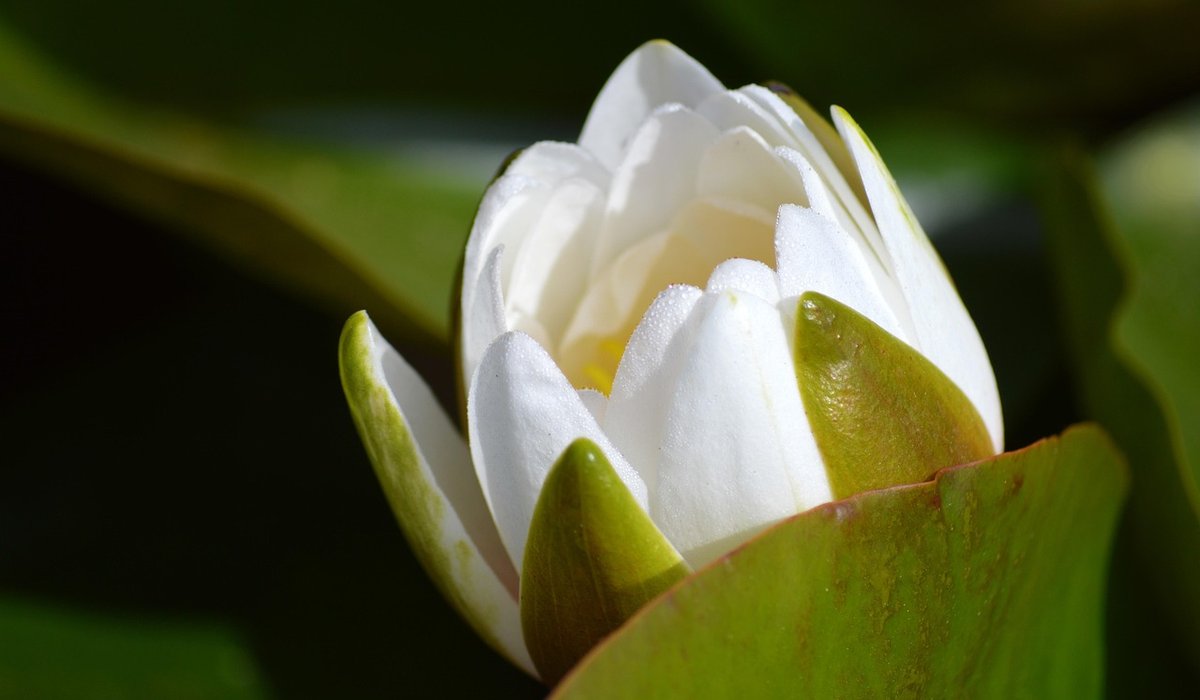
Newts need plants at every level. Submerged oxygenators such as hornwort, water milfoil and curled pondweed provide cover for adults and larvae, as well as egg-laying sites. Floating-leaved plants like water lilies, frogbit and water soldier offer shade and a place to rest. Marginal plants – marsh marigold, water forget-me-not, lesser spearwort, sedges and rushes – soften the edges and create humid microclimates where newts can shelter.
- Submerged: hornwort, water milfoil, curled pondweed, water starwort.
- Floating: water lily (small varieties), frogbit, water soldier.
- Marginal: marsh marigold, water forget-me-not, yellow flag iris, soft rush.
Female newts lay each egg individually, wrapping it in a folded leaf of a submerged plant. Broad-leaved oxygenators are especially valuable. Avoid invasive non-native species such as parrot’s feather and water fern, which can smother a small pond. Always choose native plants where possible, and never take plants from the wild.
No fish, no chemicals, and gentle water management
A fish-free pond is non-negotiable for newts. Fish also eat the invertebrates that newts feed on, so their presence reduces the whole pond’s biodiversity. Similarly, avoid pumps, fountains and filters that churn the water. Newt larvae are delicate, and strong currents can harm them. A small solar-powered bubbler in very hot weather may help oxygen levels, but generally a well-planted pond needs no technology at all.
Never use pesticides, herbicides or fertilisers near the pond. Run-off from lawns and borders can poison the water. If you need to top up, use rainwater from a butt. In summer, let the water level drop naturally – this mimics wild ponds and exposes muddy edges that newts use. Remove fallen leaves in autumn to prevent them rotting and deoxygenating the water, but leave some leaf litter around the margins for shelter. Blanketweed and algae can be managed by adding more plants, providing shade, and occasionally removing excess growth by hand. Do not use chemical algicides.
Shelter nearby: rocks, log piles and hibernation spots
Newts do not spend all their time in water. Outside the breeding season they need cool, damp, sheltered places on land. A rockery with crevices, a loose pile of logs, a stack of old bricks, or a compost heap will all provide cover. Leave areas of long grass and leaf litter undisturbed. These same features serve as hibernation sites from late autumn through to early spring.
Place log piles and rock stacks within a few metres of the pond, ideally on the north side where it stays damper. Add a few flat stones at the water’s edge for basking. If you have space, create a “newt hotel”: a small trench filled with logs, stones and dead leaves, covered with a layer of soil. The warmer, damp conditions inside are perfect for overwintering amphibians and invertebrates. During breeding season, newts also appreciate clumps of moss and damp vegetation right at the pond margin, where they can rest between bouts of courtship.
Seasonal care and watching your newts
Spring is the peak time for newt activity. Males develop crests and bright bellies, and you may see them performing courtship dances. Watch from a distance and avoid handling them – they are protected by law, and the great crested newt has additional legal protection. If you suspect great crested newts are present, seek advice before doing any pond maintenance.
In summer, larvae develop in the water, hiding among plants. Keep the pond topped up with rainwater, but do not worry if levels fall. By late summer, young newts leave the water and disperse into the garden. In autumn, tidy the pond only lightly: remove excess leaves, but leave marginal plants standing for winter cover. If the surface freezes, do not smash the ice – the shock waves can kill amphibians. Instead, place a pan of hot water on the surface to melt a hole.
By creating a fish-free pond with plenty of submerged plants, a gentle edge, and log piles nearby, you are giving newts exactly what they need. Be patient – it may take a year or two for them to find you. Once they do, you will be rewarded with one of the most fascinating and understated dramas in British wildlife.
tag: Wildlife

Tom Ashworth Author
Test for pH, ammonia, nitrite, and nitrate regularly. Most pond life prefers a pH between six and eight, so adjust gradually if needed.
YOU MAY ALSO LIKE
Understanding Pond Water Testing and pH Levels
Aug 11
10Hand-pulling, barley straw, and competitive planting can keep weeds in check. Avoid chemicals that harm frogs, newts, and beneficial insects.
read more
Natural Ways to Control Pond Weeds Without Chemicals
Aug 6
10A shallow pebble beach lets birds and mammals drink safely and gives amphibians an easy exit. Grade the slope gently for access.
read morePonds
-

ERRIC CATONA
Flexible rubber liners suit irregular shapes, while preformed shells are quicker to install. Consider lifespan, UV resistance, and local soil conditions.
May 19, 2016 at 5.12 pm
Reply
ERRIC CATONA
Fish eat frogspawn and insect larvae, so they reduce wildlife value. If you keep them, provide deep water, shaded areas, and careful feeding.
May 19, 2016 at 5.12 pm
Reply -
ERRIC CATONA
Create a log pile, leaf mound, or compost heap beside your pond. Frogs and toads will burrow into the damp, frost-free layers to survive winter.
May 19, 2016 at 5.12 pm
Reply
Wildlife
Your email address will not be published.