
Encouraging Frogs and Toads to Your Garden Pond
Why Frogs and Toads Are Worth Welcoming
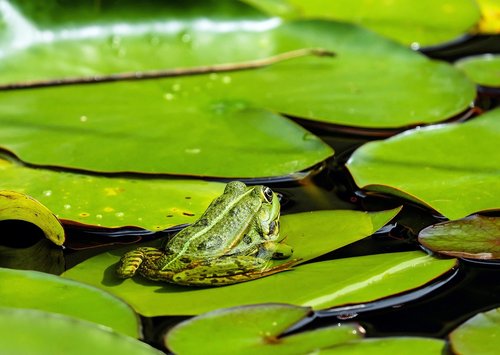
A pond with frogs in it is a pond that is doing something right. Common frogs and common toads are among the most useful residents a garden can have: their tadpoles graze on algae, the adults hoover up slugs, beetles and other invertebrates, and their presence tells you the whole patch is working as a habitat rather than just looking pretty. Both species have suffered serious declines in the wider countryside, so a well-made garden pond genuinely matters. The encouraging part is that you do not need much space — a half barrel or a sunken washing-up bowl can pull its weight.
Gentle, Shallow Edges Are Essential
If you get one thing right, make it the edges. Amphibians are surprisingly poor at climbing out of smooth, steep-sided ponds, and more frogs and toads drown in garden ponds than almost anything else. Aim for at least one gently sloping side and a shallow shelf roughly 5–10cm deep and 30cm or more wide.
- Build a pebble beach along one edge so animals can wade in and out without scrambling.
- Line the shelf with washed gravel or cobbles for grip, and leave a few larger stones half-submerged.
- Add a piece of weathered timber or a stone ramp if your pond is a rigid liner or a barrel with a lip — hedgehogs will use it too.
- Keep the shallow water open and unplanted in places; frogs often prefer to spawn in these warmer, sunlit margins.
Frogs tend to lay clumps of spawn in shallow water, whilst toads produce long strings wrapped around submerged stems. Both need vegetation close by to anchor their eggs.
Leave the Fish Out
Fish and amphibians do not mix in a small pond. Even a couple of goldfish will make short work of frogspawn and tadpoles, and the tadpoles that survive tend to hide in the murk rather than graze openly. If you already keep fish, keep them where they are and consider a second, fish-free water feature for wildlife — it need not be large.
Newts, dragonfly larvae and water beetles will all take some tadpoles, and that is fine. Predation is part of a functioning pond; the trouble with fish is that they can clear an entire generation in a single season.
Plant Thickly, Especially Around the Margins
Amphibians need damp cover, shade and insect food within a short hop of the water. Plant the margins densely with native species: water forget-me-not, brooklime, water mint, marsh marigold and lesser spearwort all work well in British gardens. Add hornwort or a native water lily for submerged cover and shade, which keeps the water cooler and better oxygenated in summer.
Around the pond, let a patch of grass grow long and allow ferns, ground ivy and native shrubs to fill in. This "rough edge" is where frogs spend most of their time when they are not breeding, and it is the single best thing you can do for them. Steer clear of invasive non-natives such as floating pennywort, parrot's feather and water fern, which can smother a small pond within a season and are illegal to plant in the wild.
Safe Hibernation and Toad-Friendly Corners
Most frogs overwinter on land rather than in the pond, tucked into damp, frost-free spots. Toads are even more land-based, and they need drier, cooler refuges with plenty of loose material to burrow into.
- Leave a log pile in a shaded corner, with the bottom logs touching the soil.
- Keep a leaf mound or two in quiet borders instead of clearing every last leaf.
- Let a compost heap sit undisturbed over winter — toads love them, though they can be injured if the heap is turned between November and March.
- Leave a strip of long grass and a dry stone wall or rockery edge untouched.
Toads return to the pond where they were born, sometimes travelling a kilometre or more, so a new pond may take several years to attract them. Be patient and resist the temptation to move spawn or adults between ponds — it risks spreading disease.
Even a Tiny Water Feature Helps
If space is tight, sink a half barrel, an old sink or a large tub and give it a sloping ramp, a couple of native marginals and a bundle of oxygenating weed. Site it where it gets sun for part of the day and shade for the rest. Top up with rainwater from a butt rather than tap water, and never use slug pellets containing metaldehyde — use ferric phosphate or nematode controls instead, and avoid spraying near the water. Given a shallow edge, dense planting and somewhere safe to sleep, frogs will find you. Usually sooner than you expect.
tag: Wildlife

Priya Patel Author
Filters keep water clear, while pumps move water for waterfalls or fountains. Choose the right size for your pond volume and wildlife needs.
YOU MAY ALSO LIKE
A Simple Guide to Pond Filters and Pumps
Sep 12
10Remove fallen leaves, trim dying foliage, and stop feeding fish as temperatures drop. Leave some debris for wildlife to use over winter.
read more
Autumn Pond Care Tasks for British Gardeners
Sep 7
10Prevent ice from sealing the surface by floating a ball or using a heater. Keep a small opening for gases to escape and wildlife to breathe.
read morePonds
-

ERRIC CATONA
Clear debris, divide overgrown plants, and check pumps before warmer weather arrives. Test water quality and top up with rainwater if needed.
May 19, 2016 at 5.12 pm
Reply
ERRIC CATONA
Shade your pond with plants or a pergola, top up water levels, and avoid drastic water changes. Oxygen levels drop in heat, so keep pumps running.
May 19, 2016 at 5.12 pm
Reply -
ERRIC CATONA
Use a sturdy waterproof container, add gravel and native plants, and place it in partial shade. Even a tiny pond supports insects and frogs.
May 19, 2016 at 5.12 pm
Reply
Wildlife
Your email address will not be published.