
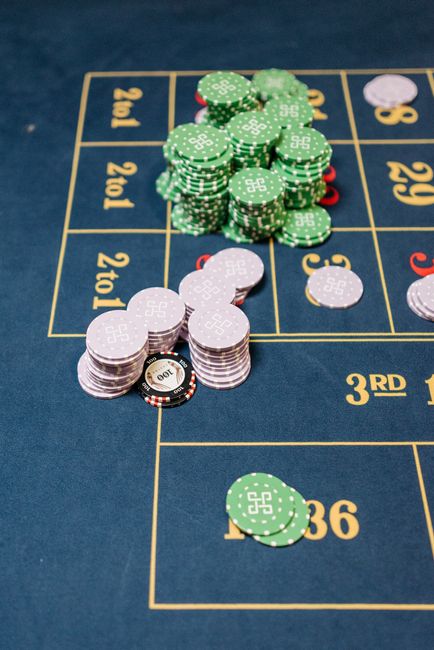
The House Always Wins? Rethinking Luck, Skill, and Strategy in iGaming
I still remember the first time I hit a 500x multiplier on a Starburst slot. It was 2 a.m., I was down to my last €10, and the screen exploded with wilds. I felt like a genius. Two weeks later, I lost triple that amount chasing the same rush. That whiplash is the heart of iGaming: a strange cocktail of chance, psychology, and yes, a bit of skill. If you're going to spend time in this world, you owe it to yourself to understand which is which.
Let's break down the modern iGaming landscape—not with hype, but with honest mechanics. Whether you're spinning slots, grinding poker tables, or sweating a parlay, the same principles separate sustainable players from the sad ones who buy in for a thrill and leave with regret.
Slots: The Purest Form of Random (Mostly)
Slots are the backbone of any casino floor, online or off. And here's the uncomfortable truth: modern video slots are governed by Random Number Generators (RNGs). Every spin is independent. That near-miss where two scatters landed on the payline? It wasn't "so close." It was a random event with no memory of your previous spin.
But not all slots are identical. Two crucial numbers separate them:
- RTP (Return to Player): The theoretical percentage of all wagered money returned to players over millions of spins. A 96% RTP slot loses 4% of turnover on average. A 94% slot bleeds twice as fast. Always check the paytable or help screen—this number isn't marketing fluff.
- Volatility: Low volatility pays small wins frequently, keeping your bankroll alive. High volatility (think Book of Dead, Money Train) delivers long dry spells punctuated by huge potential payouts. Your bankroll strategy must match the volatility, or you'll bust before the big hit arrives.
Here's a concrete tip: If you have a €100 bankroll, betting €1 per spin on a high-volatility slot gives you roughly 100 spins. With many bonus features triggering once every 200-400 spins, your chance of seeing a bonus is slim. Scale down to €0.20 and suddenly you have 500 spins—realistic enough to catch a feature. The math doesn't lie.
Betting: Where Information Meets Irrationality
Sports betting is the closest thing to a meritocracy in iGaming, but only if you treat it like investing, not gambling. The bookmakers' margin (the "vig") typically sits between 4% and 8% on major markets. That's their edge. To beat them long term, you need one of three things:
- Information others don't have. Whether it's a deep statistical model on expected goals (xG) in soccer or tracking injury news before the market adjusts.
- Better price shopping. The same match might be priced at 1.90 on one book and 2.05 on another. Over hundreds of bets, that difference is the line between profit and ruin.
- Discipline. Betting with your heart on your favorite team is a guaranteed way to donate money. No model beats emotional decision-making.
A sharp bettor doesn't chase parlays for lottery-style payouts. They grind, they take value, they accept that winning 53% of bets is enough. It's boring, but it works.
Poker: The Long Game of Skill and Psychology
Unlike slots, poker is a game of incomplete information where skill dominates over thousands of hands. The house takes a rake—typically 5% of each pot up to a cap—but if you're better than your opponents, you can overcome it. The key is understanding that poker is not about the cards. It's about ranges, position, and exploiting human tendencies. A detailed guide is available at SAO789.
Think about a common scenario: you raise from middle position with A-K. A tight player three-bets from the button. You should already be narrowing their range to premium hands—AA, KK, QQ, AK. If the flop comes 7-2-3 rainbow, and they continue, your A-K high is likely behind. Folding isn't weakness; it's discipline. The math of pot odds and equity realization decides your long-term win rate, not the drama of a single showdown.
One underrated tip: track your sessions. Not just wins and losses, but your emotional state. Tilt is the silent killer. A single revenge call after a bad beat can wipe out hours of patient profit. If you feel your heart rate rising, stand up. That's an order.
Bankroll Management: The Boring Superpower
I've seen players with brilliant strategies go broke because they couldn't manage a bankroll. It's the least sexy part of iGaming, and it's the most important. Here's the framework I use and recommend:
- Slots: Treat your bankroll as entertainment money. Never deposit more than you'd spend on a night out. Set a hard loss limit per session—say, 20% of your monthly budget—and walk away when you hit it.
- Poker: For cash games, you need at least 20 buy-ins for the stake you play. For tournaments, 50-100 buy-ins. If you play €1/€2 no-limit hold'em, you should have €4,000 set aside. It sounds extreme until you hit a 10 buy-in downswing, which is statistically normal.
- Sports betting: Bet 1-2% of your bankroll per wager. A losing streak of 10 bets is entirely possible even with a winning strategy. Flat betting preserves your capital for the long run.
Also, separate your gambling bankroll from your rent money. Obvious? Yes. Followed? Rarely.
The Psychology Trap: Why We Ignore the Obvious
Casinos employ brilliant behavioral scientists. Slot machines use near-miss animations—two cherries and a blank—to trigger the same dopamine response as an actual win. The lights, the sounds, the variable ratio reinforcement schedules: they're designed to keep you spinning. The problem is that awareness alone doesn't protect you. You need systems.
One effective tactic is the "cooling-off period." Set a deposit limit in your account settings that can't be changed for 24 hours. That forced pause has saved more bankrolls than any strategy guide. Similarly, use reality checks—apps and websites can send you notifications about how long you've been playing. It's easy to lose three hours in a blackjack session when the game is fast and the drinks are cold (at a physical casino) or the interface is frictionless (online).
The Bottom Line: It's Entertainment, Not a Job
Here's the philosophical meat of this article. iGaming can be a thrilling hobby, a test of intellect, and occasionally a source of profit. But the moment you treat it as a guaranteed income stream, you've already lost. The house industry is built on billions in profits precisely because most players don't understand variance, RTP, or their own psychology.
So play the slots for the fun of it, knowing the RTP is your silent tax. Bet on sports if you have an edge or simply enjoy the sweat—but keep the stakes small. Take poker seriously if you're willing to study ranges and mental game. And always, always set a limit before you start. Plenty of people rely on SAO 789 for this kind of information.
The game is not rigged. It's just designed to reward patience, discipline, and self-awareness—and those three things are rarer than any jackpot. You can choose to be the anomaly, or you can choose to be the sucker. The math doesn't care. But you should.
tag: iGaming

Tom Ashworth Author
British native pond plants like water forget-me-not and marsh marigold provide shelter for insects and help keep water clear throughout the year.
YOU MAY ALSO LIKE

Choosing Native Plants for a Healthy Garden Pond
Sep 24
10Green water and blanket weed often signal excess nutrients. Reduce feeding, add shade plants, and use barley straw to restore balance naturally.
read more
Solving Common Algae Problems in Garden Ponds
Sep 22
10A bog garden uses the damp soil around your pond to grow moisture-loving plants. It extends habitat and looks beautiful without needing a filter.
read morePonds
-

ERRIC CATONA
Frogs and toads need shallow edges, dense planting, and safe hibernation spots. Avoid fish and keep a log pile nearby to help them thrive.
May 19, 2016 at 5.12 pm
Reply
ERRIC CATONA
Filters keep water clear, while pumps move water for waterfalls or fountains. Choose the right size for your pond volume and wildlife needs.
May 19, 2016 at 5.12 pm
Reply -
ERRIC CATONA
Remove fallen leaves, trim dying foliage, and stop feeding fish as temperatures drop. Leave some debris for wildlife to use over winter.
May 19, 2016 at 5.12 pm
Reply
Wildlife
Your email address will not be published.